Country travel snapshot
Switzerland travel basics: entry, season, budget and transport
A landlocked country in Central Europe, known for the Alps, lakes, precise railways, and multiculturalism. Start here for the practical checks that decide whether a Switzerland trip works: entry rules, weather, costs and local movement.
- Population
- Approx. 9 million people, distributed across 26 cantons.
- Time zone
- Central European Time CET, UTC+1 (Daylight Saving Time UTC+2).
- People
- German, French, Italian, and Romansh-speaking regions jointly constitute the federal culture.
- Local languages
- German, French, Italian, and Romansh are all official languages; English is widely available in tourism, railways, and hotels.
- Currency and exchange
- Swiss Franc (CHF).
Planning reference: 1 USD approx. 0.8-0.9 CHF, 1 EUR approx. 0.9-1.0 CHF, 1 CNY approx. 0.11-0.13 CHF; check real-time rates before actual payment.Loading live reference rates CHF...
Visa / arrival rules
Switzerland is part of the Schengen Area; there is no visa on arrival for tourism. Passports from China, India, South Africa, Morocco, etc., usually require a Schengen short-stay visa in advance; passports from the US, Canada, UK, Japan, South Korea, Singapore, Australia, New Zealand, etc., are visa-free and allow stays of up to 90 days within every 180 days in the Schengen Area. Schengen visa applications can be submitted up to 6 months before entry, with standard processing taking about 10-15 days; if booking non-refundable mountain hotels, Glacier Express, or ski trips, it is recommended to start 6-8 weeks in advance.
Visa/entry information last reviewed: 2026-07-08. Rules can change by passport, arrival point and transit plan; recheck official rules before booking.Best local transport
Public transport is best for the whole trip; self-driving between mountain towns for 'freedom' is not recommended. SBB trains, PostBuses, lake boats, and city trams connect extremely punctually; Zurich-Lucerne takes about 45-50 minutes, Zurich-Bern about 1 hour, Geneva-Zermatt about 3.5 hours. 2026 Swiss Travel Pass 2nd class reference: 3 days CHF 254, 4 days CHF 309, 8 days CHF 439, 15 days CHF 499; Half Fare Card is suitable for those taking many mountain railways.
Best season
Late June to September is best for first-time visitors, with hiking trails and cable cars most open; December to March is suitable for skiing, hot springs, and Christmas markets; April-May and October-November have fewer people but many high-altitude facilities close seasonally.
Cost level
One of the highest price levels in Europe; saving money relies on supermarkets, hostels/apartments, and transport passes. Mid-range travelers commonly spend CHF 200-250 per day; if taking mountain railways and eating sit-down meals daily, CHF 300+ is easily reached. Hostel beds CHF 45-80, standard hotel double rooms CHF 180-320; supermarket sandwiches/salads CHF 6-12, standard restaurant main courses CHF 25-45, coffee CHF 4.5-6.5, beer CHF 6-9. Jungfraujoch and Matterhorn region round trips may approach or exceed CHF 100. 6-8 day Switzerland trip, it's recommended to prepare approximately $2,800-$5,500 per person.
Before you book
Switzerland practical checks
Use these extra notes after the travel basics to check safety, entry friction, money, transport, routing and the easiest first meal.
Switzerland Local customs?
Swiss railway transfers often have only 5-8 minutes, but platforms, carriage positions and transfer directions are clearly marked. The actual experience is 'looks tense, but actually feasible'. People with large luggage should stand near the door in advance; don't wait until the train stops to pack up. Mountain stations often have ramps, stairs and narrow platforms - the less luggage, the more comfortable. Check platforms, carriage crowding and whether you need to transfer to narrow gauge/rack trains in advance with the SBB App. Mountain tickets are the easiest place to waste money in Switzerland. For Jungfraujoch, Gornergrat, Matterhorn Glacier Paradise, always check official real-time webcams, cloud height and wind speed before buying. When clouds are low, tourists might spend hundreds of CHF just to see a white wall. Always prepare low-altitude backup days in your itinerary: Bern Old Town, Lucerne lake boats, Bains des Paquis, Lavaux or Zurich West are all more mature travel arrangements than forcing a mountain trip.
Switzerland Visa / arrival rules?
Switzerland is part of the Schengen Area; there is no visa on arrival for tourism. Passports from China, India, South Africa, Morocco, etc., usually require a Schengen short-stay visa in advance; passports from the US, Canada, UK, Japan, South Korea, Singapore, Australia, New Zealand, etc., are visa-free and allow stays of up to 90 days within every 180 days in the Schengen Area. Schengen visa applications can be submitted up to 6 months before entry, with standard processing taking about 10-15 days; if booking non-refundable mountain hotels, Glacier Express, or ski trips, it is recommended to start 6-8 weeks in advance. There's a strong sense of quiet and order in public spaces. Don't play videos out loud or make long voice calls in quiet carriages. When hiking, don't take shortcuts through pasture grass or randomly open farm gates. Take away trash from lakesides and mountain trails. Restaurant bills usually don't require mandatory tips; for good service, you can round up or give 5-10%. Swiss people don't like exaggerated bargaining; buying at marked prices in markets and small shops feels more natural.
Switzerland Currency and exchange?
Swiss Franc (CHF). Planning reference: 1 USD approx. 0.8-0.9 CHF, 1 EUR approx. 0.9-1.0 CHF, 1 CNY approx. 0.11-0.13 CHF; check real-time rates before actual payment. One of the highest price levels in Europe; saving money relies on supermarkets, hostels/apartments, and transport passes. Mid-range travelers commonly spend CHF 200-250 per day; if taking mountain railways and eating sit-down meals daily, CHF 300+ is easily reached. Hostel beds CHF 45-80, standard hotel double rooms CHF 180-320; supermarket sandwiches/salads CHF 6-12, standard restaurant main courses CHF 25-45, coffee CHF 4.5-6.5, beer CHF 6-9. Jungfraujoch and Matterhorn region round trips may approach or exceed CHF 100. 6-8 day Switzerland trip, it's recommended to prepare approximately $2,800-$5,500 per person.
Real route reference
7-day Switzerland itinerary for World Cup travelers
A practical route that turns interest in Nati into cities, landscapes, food stops and match-night culture. Switzerland isn't about driving to collect peaks, but using railways to string together lakes, mountains, cities, and language regions into a precise route. For the first time, you can start from Zurich, pass through Lucerne, Interlaken/Jungfrau, Bern to Zermatt, and finally return from Geneva or Zurich.
Day 1 · Zurich
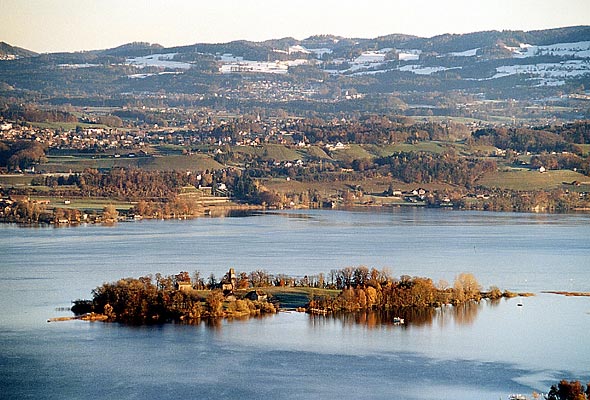
Landing in Zurich: Establish directions by the lake and train station
ZRH → Zurich HB → Lake Zurich
The train from ZRH to Zurich HB takes about 10 minutes. The most important thing to learn on the first day is Swiss railway logic: platforms, transfers, luggage, and punctuality. In the afternoon, walk along Bahnhofstrasse, the Old Town, the Limmat river, and the lakeside; no need to force a trip up the mountain. It is often said that familiarizing yourself with the SBB App, supermarket prices, and station flow first reduces anxiety for the following days more than rushing to an expensive peak on day one.
Use actual itinerary to calculate Swiss Travel Pass vs Half Fare Card; many city hotels include local transport cards. Stay the first night near Zurich HB or a convenient tram location; taking an early train to Lucerne/Interlaken the next day will save a lot of effort.
Day 2 · Lucerne
Lucerne: Covered bridges, lake, and Mount Pilatus
Zurich → Lucerne → Chapel Bridge / Pilatus
Lucerne is the most reliable lake-and-mountain combination for a first trip to Switzerland: Chapel Bridge, Old Town, lake boats, and Pilatus/Rigi can be chosen based on the weather. It's not just a single viral bridge; stepping out of the train station is the lake, and the crowds by the bridge, boat schedules, and mountain cable cars together constitute a one-day route. When the weather is bad, lakeside walks and the Old Town are still viable options.
Mountain tops are more reliable in the morning; check the official live webcam first, then decide whether to buy cable car/cogwheel tickets. If clouds are low, don't spend on a mountain ticket; save the budget for lake boats, dinner, or the weather window in Zermatt later.
Day 3 · Interlaken / Jungfraujoch
Interlaken and Jungfrau: Expensive but memorable
Lucerne → Interlaken → Jungfraujoch / Lauterbrunnen
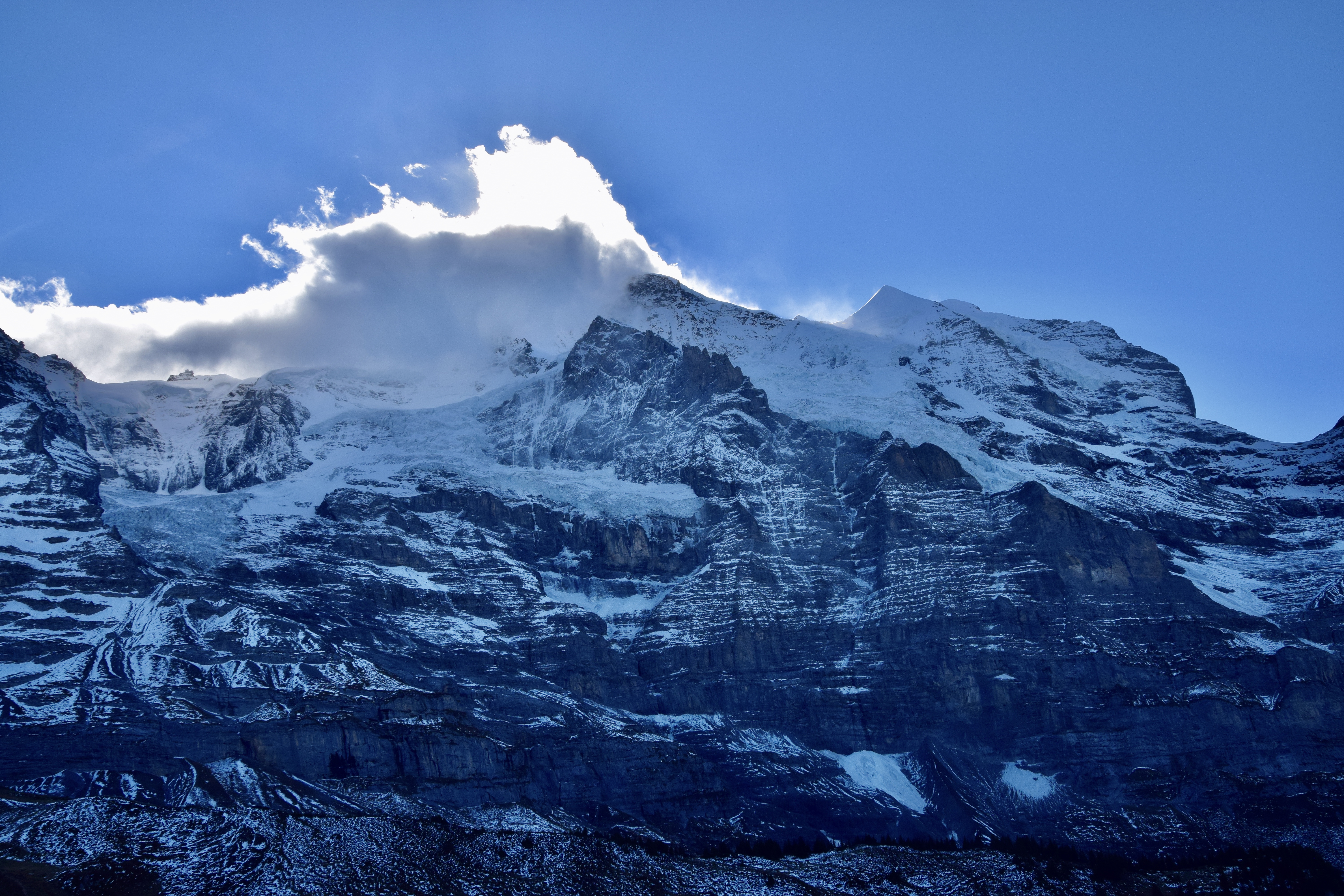
The 'Top of Europe' on the Jungfraujoch railway is a high-cost experience. The most important judgment is: it's worth it when the weather is good, but when clouds are low, you might be left with just an expensive ticket. Interlaken itself is more like a transport base; the real scenery is in Lauterbrunnen, Grindelwald, Wengen, and on the mountain railways. The consensus is, don't ignore weather and altitude reactions just for the sake of checking in.
The mountain top is cold and windy; pay attention to the last train, discounts, and altitude reactions. If on a limited budget, choose Grindelwald First, Mannlichen, or the Lauterbrunnen valley; the experience may not lose out to the most expensive option.
Day 4 · Bern
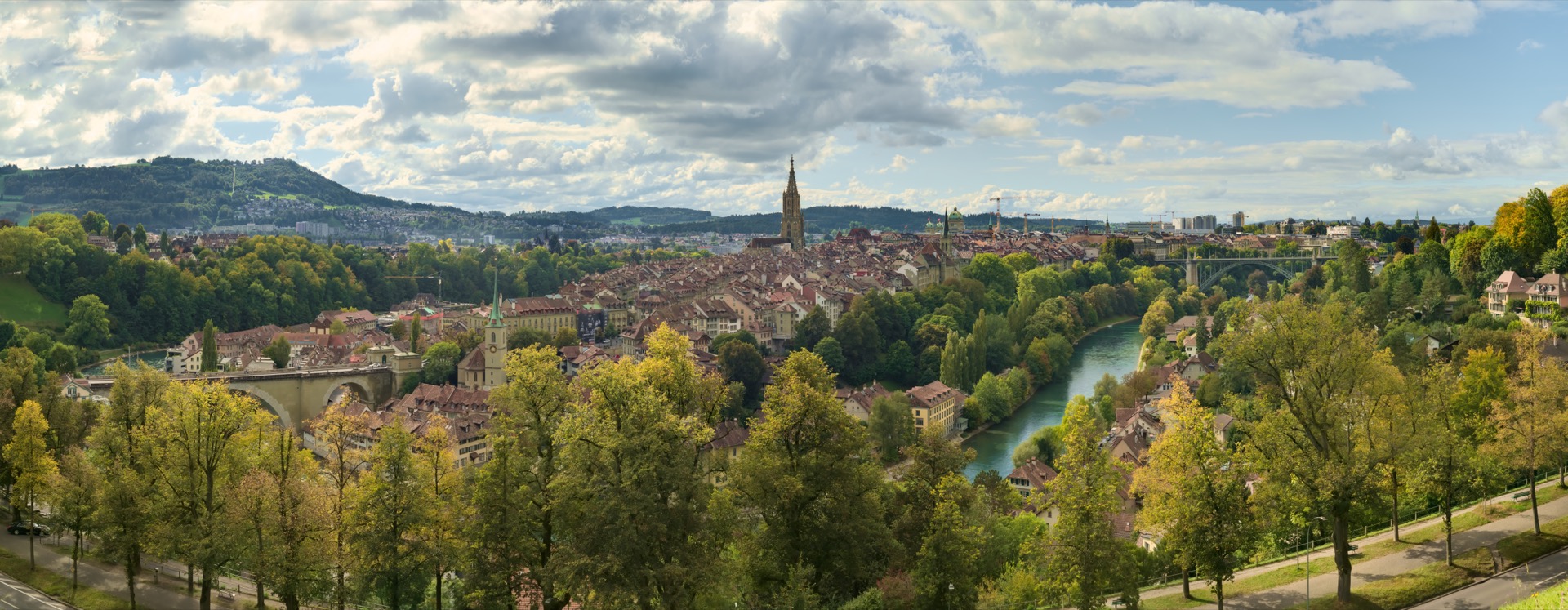
Bern: The underrated capital and Wankdorf clues
Interlaken → Bern Old City → Wankdorf
Bern's UNESCO Old Town, arcades, clock towers, Bear Park, and Aare river bends are more pleasant to explore than many tourists imagine, and a bit cheaper than mountain towns. Football travelers can add Wankdorf/Young Boys clues to make the capital more than just a transit stop; the value here is order, walkable scale, and capital daily life, rather than a visually shocking snow mountain.
The Old Town is walkable; staying one night can reduce accommodation pressure in Interlaken/Zermatt. If watching Young Boys or Swiss national team matches, confirm tram/train return trips in advance; don't leave a short transfer for the last train.
Day 5 · Zermatt
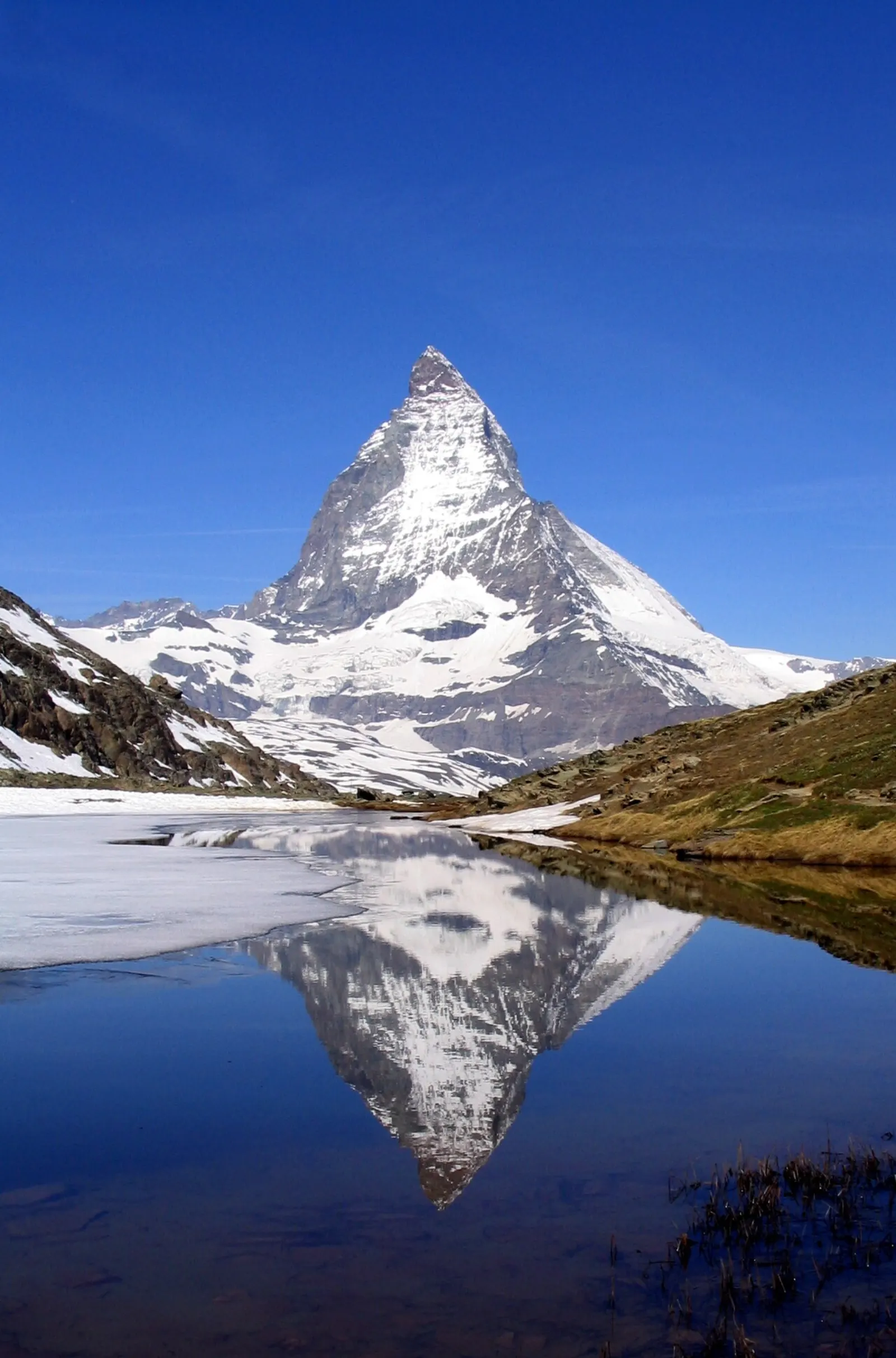
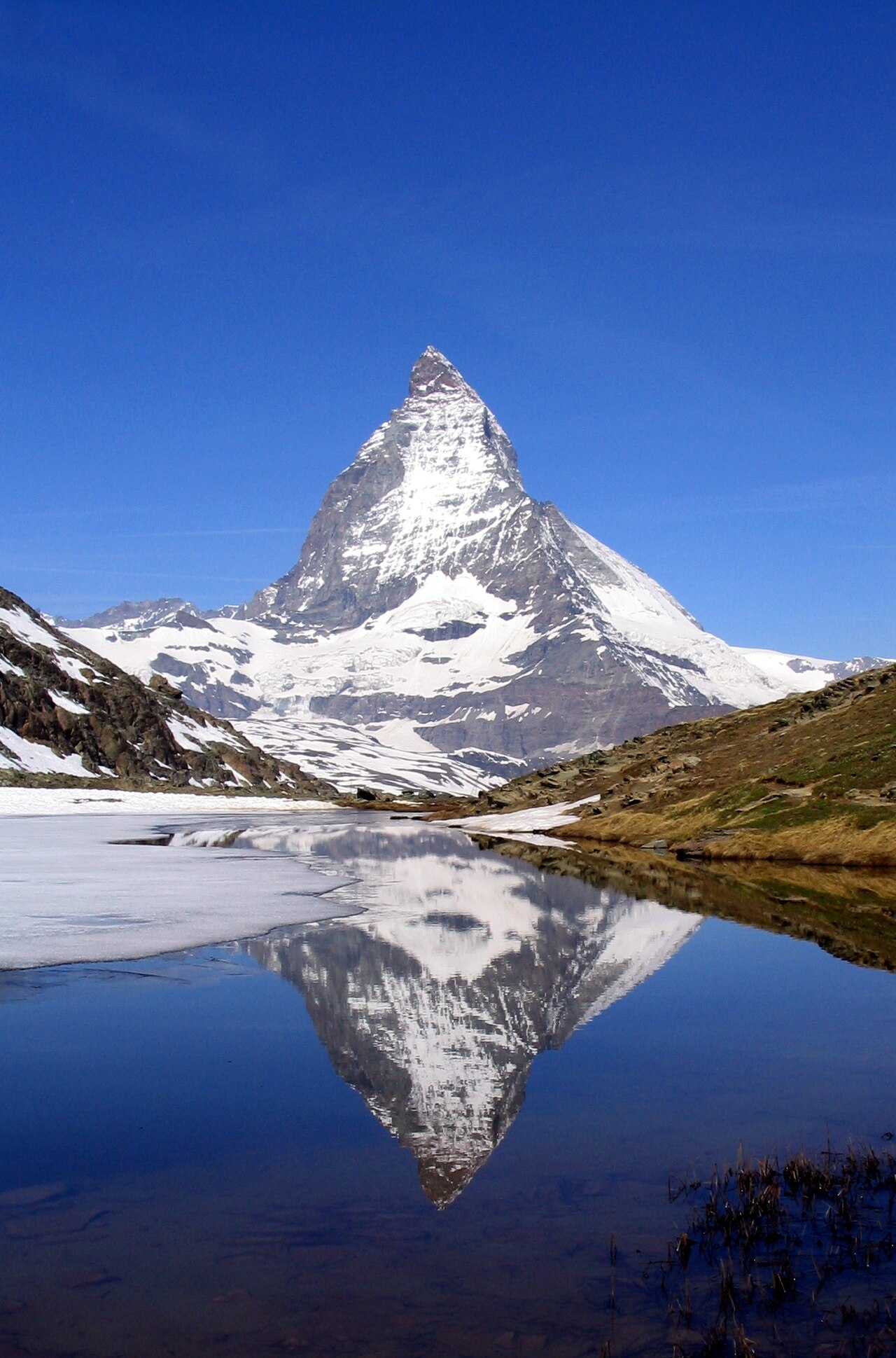
Zermatt: Making the Matterhorn the highlight
Bern → Zermatt → Matterhorn viewpoint
Zermatt is a car-free mountain town; the core is not 'rushing to a viewing platform' but waiting for the Matterhorn clouds to clear in the morning, wooden hut streets, the Gornergrat railway, and apres-ski nightlife. The Matterhorn is often covered by clouds; those willing to wake up early, stay two nights, or keep their itinerary flexible have a much higher success rate than those who only come for half a day.
Accommodation is expensive, book in advance; Gornergrat and Matterhorn Glacier Paradise are extra, check the weather first. If you have a lot of luggage, confirm hotel shuttle; roads are icy in winter, ordinary city shoes are not enough.
Day 6 · Geneva
Geneva: Lake, Jet d'Eau, and international faces
Zermatt → Geneva → Jet d'Eau / Bains des Paquis
From the German-speaking mountain town to the French-speaking lake city, Switzerland changes language, dining times, and city vibes. Geneva can connect international organizations, the lakeside public baths Bains des Paquis, Jet d'Eau, and Servette in the French-speaking football context; don't just treat it as an 'expensive UN city', the lakeside public life is actually the most authentic part.
Zermatt to Geneva is about 3.5 hours; it's windy by the lake, use trams or walk on main roads back to the hotel at night. If on a tight budget, use supermarkets, public bath meals, or explain the logic of crossing to the French border for accommodation.
Day 7 · Lake Geneva
Lausanne / Montreux: Eastern shore extension of Lake Geneva
Geneva → Lausanne → Lavaux / Montreux
The Lavaux vineyard terraces, the hilly city of Lausanne, the Olympic Museum, and the Montreux lakeside shift Switzerland from snow mountains to French-speaking lifestyle. This is suitable for visitors with sufficient budget who want to slow down as a seventh day: no longer chasing mountain tops, but looking at the lake, vineyards, train windows, and small town piers.
As an extension of 6 days or more; use Geneva or Lausanne as a base if you have a lot of luggage. Lavaux trails have slopes, pay attention to sun protection and water in summer; check the last train from Montreux back to Geneva/Lausanne in advance.
🇨🇭 Switzerland travelogue
Switzerland Travel: Giving Your Ears to Snowlines, Clock Towers, and Rails
Read the narrative side of Switzerland: how arrival, football curiosity and local rhythm connect beyond a checklist.
Switzerland first arrived not through my eyes, but through my ears. At dawn by Lake Zurich, mist floated on the water like milk not yet stirred smooth. The boat had not departed, but the wooden planks of the pier had already sounded softly under my shoes. In the distance, a tram passed the bridgehead, its metal wheels pressing the rails with a clean rasp; cups and saucers touched in a cafe, so quietly it seemed they feared disturbing the lake. Switzerland is not silent. It simply places every sound where it belongs, teaching you to lower your volume as soon as you land.
At Zurich Hauptbahnhof, I changed trains for Bern. Platform announcements moved from German to French, then to Italian and English. The four languages were not colored labels in a travel brochure; they truly took turns in the air. When the carriage doors closed, the rubber edge made a soft puff, leaving the city noise outside. Beyond the window, grassy slopes, water, and towns seemed cut into punctual little frames. The conductor came down the aisle with footsteps as steady as a metronome.
Read the full Switzerland World Cup travel storyFamous player match photos
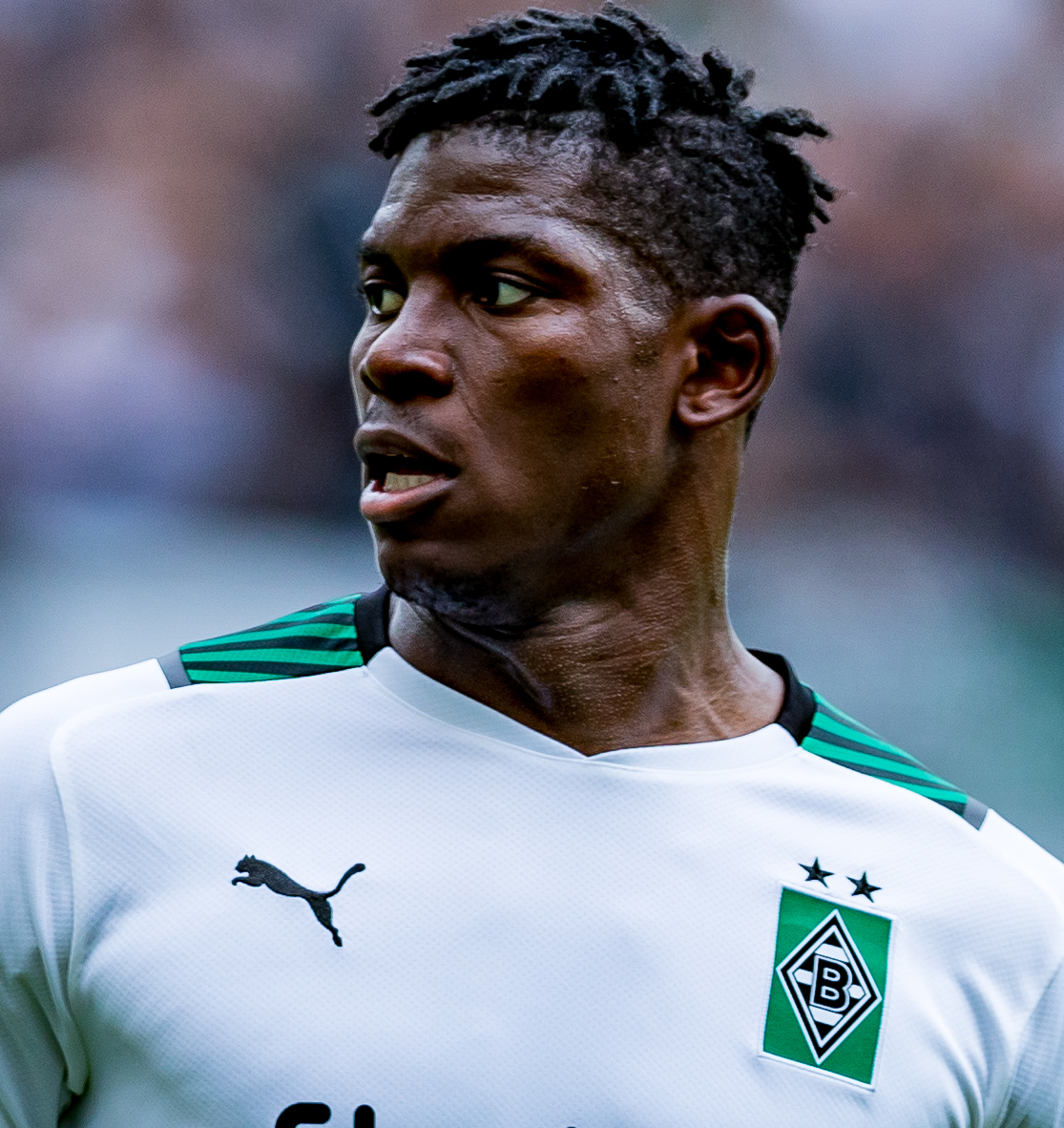
Switzerland players and football faces
Player context helps connect Nati with hometowns, clubs, diaspora stories and routes a traveler can actually follow.


Recommended arrival airports and flight budget
Switzerland airports and flight routes
Use this section to compare arrival airports, likely connections and where each route places you inside Switzerland. Flight prices are seasonal planning ranges; check live fares before booking.
ZRH
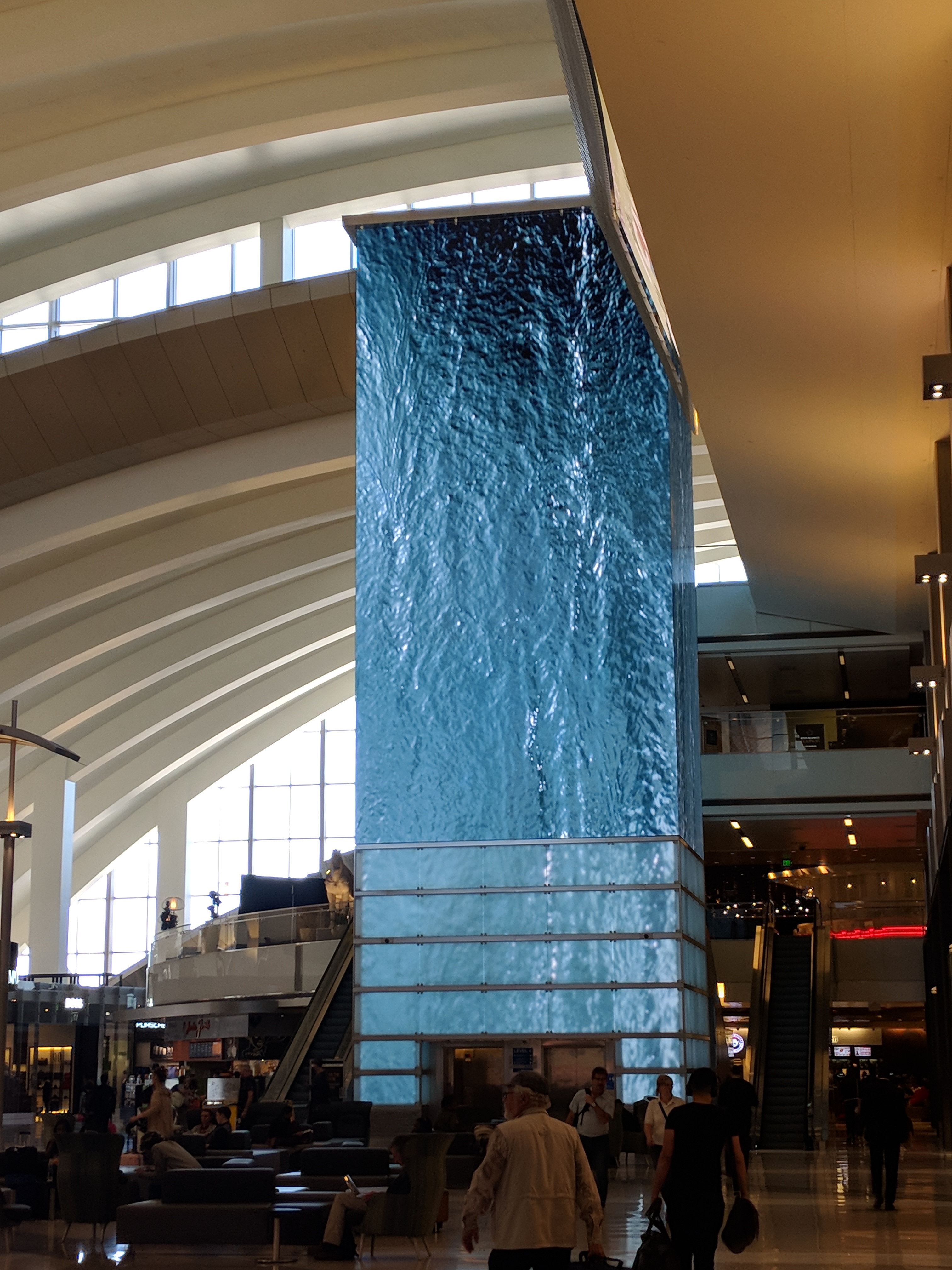
Zurich Airport
Switzerland's largest international hub, about 10 minutes by train from Zurich HB, suitable for a complete rail loop.
GVA
Geneva Airport
Suitable for the French-speaking region, Lake Geneva, Lausanne, Montreux, and Zermatt routes.
Local customs
- Swiss railway transfers often have only 5-8 minutes, but platforms, carriage positions and transfer directions are clearly marked. The actual experience is 'looks tense, but actually feasible'. People with large luggage should stand near the door in advance; don't wait until the train stops to pack up. Mountain stations often have ramps, stairs and narrow platforms - the less luggage, the more comfortable. Check platforms, carriage crowding and whether you need to transfer to narrow gauge/rack trains in advance with the SBB App.
- Mountain tickets are the easiest place to waste money in Switzerland. For Jungfraujoch, Gornergrat, Matterhorn Glacier Paradise, always check official real-time webcams, cloud height and wind speed before buying. When clouds are low, tourists might spend hundreds of CHF just to see a white wall. Always prepare low-altitude backup days in your itinerary: Bern Old Town, Lucerne lake boats, Bains des Paquis, Lavaux or Zurich West are all more mature travel arrangements than forcing a mountain trip.
- There's a strong sense of quiet and order in public spaces. Don't play videos out loud or make long voice calls in quiet carriages. When hiking, don't take shortcuts through pasture grass or randomly open farm gates. Take away trash from lakesides and mountain trails. Restaurant bills usually don't require mandatory tips; for good service, you can round up or give 5-10%. Swiss people don't like exaggerated bargaining; buying at marked prices in markets and small shops feels more natural.
Switzerland Best local transport?
Public transport is best for the whole trip; self-driving between mountain towns for 'freedom' is not recommended. SBB trains, PostBuses, lake boats, and city trams connect extremely punctually; Zurich-Lucerne takes about 45-50 minutes, Zurich-Bern about 1 hour, Geneva-Zermatt about 3.5 hours. 2026 Swiss Travel Pass 2nd class reference: 3 days CHF 254, 4 days CHF 309, 8 days CHF 439, 15 days CHF 499; Half Fare Card is suitable for those taking many mountain railways.
Switzerland Route reference?
Switzerland isn't about driving to collect peaks, but using railways to string together lakes, mountains, cities, and language regions into a precise route. For the first time, you can start from Zurich, pass through Lucerne, Interlaken/Jungfrau, Bern to Zermatt, and finally return from Geneva or Zurich. Landing in Zurich: Establish directions by the lake and train station ZRH → Zurich HB → Lake Zurich Use actual itinerary to calculate Swiss Travel Pass vs Half Fare Card; many city hotels include local transport cards. Stay the first night near Zurich HB or a convenient tram location; taking an early train to Lucerne/Interlaken the next day will save a lot of effort. Lucerne: Covered bridges, lake, and Mount Pilatus Zurich → Lucerne → Chapel Bridge / Pilatus Mountain tops are more reliable in the morning; check the official live webcam first, then decide whether to buy cable car/cogwheel tickets. If clouds are low, don't spend on a mountain ticket; save the budget for lake boats, dinner, or the weather window in Zermatt later. Interlaken and Jungfrau: Expensive but memorable Lucerne → Interlaken → Jungfraujoch / Lauterbrunnen The mountain top is cold and windy; pay attention to the last train, discounts, and altitude reactions. If on a limited budget, choose Grindelwald First, Mannlichen, or the Lauterbrunnen valley; the experience may not lose out to the most expensive option.
Hotels after landing
Where to stay in Switzerland
Hotel choices are grouped by route logic, airport access, neighborhood feel and match-day convenience.
Hotel Schweizerhof Luzern
Price range: $300-$700/night
Established 5-star hotel by the lake, suitable as a two-night base for Lucerne for lake boats, Chapel Bridge, and Pilatus/Rigi. It commands a premium for location, history, and the 'step out to the lake' low-friction experience: go up the mountain when the weather is good; when it's poor, the lakeside, old town, and boat schedules can still fill a day. Those on a tight budget can stay behind the station or in the new town, but should calculate the daily time cost of dragging luggage, catching boats/cable cars, and returning from dinner.
Hotel Alpenblick Bern
Price range: $180-$320/night
More like a local community hotel, suitable for those not chasing lake views and wanting to take the tram into the old town. Accommodation in Bern is usually more stable in price than Lucerne or Zermatt, suitable as a budget buffer between Interlaken and Zermatt; tourists can walk the arcades, Aare River bends, and Clock Tower during the day, and return to a quieter neighborhood at night. Football travelers can treat Wankdorf Stadium as a supplement rather than specifically changing hotels for the stadium.
Hotel Butterfly Zermatt
Price range: $200-$420/night
Close to Zermatt train station, practical value outweighs luxury feel, suitable for those heading up to Gornergrat early in the morning, waiting for the Matterhorn clouds to clear, or returning to town for raclette in the evening. Zermatt is car-free; if you have a lot of luggage, confirm the hotel's electric car transfer; prices jump during ski and summer hiking peak seasons, and room views cannot be assumed to be Matterhorn views. The real benefit is proximity to the station, allowing quick departure when a weather window appears.
Local food and restaurants
What to eat in Switzerland
Food notes focus on local dishes, realistic restaurant types, prices and the easiest first meals after arrival.
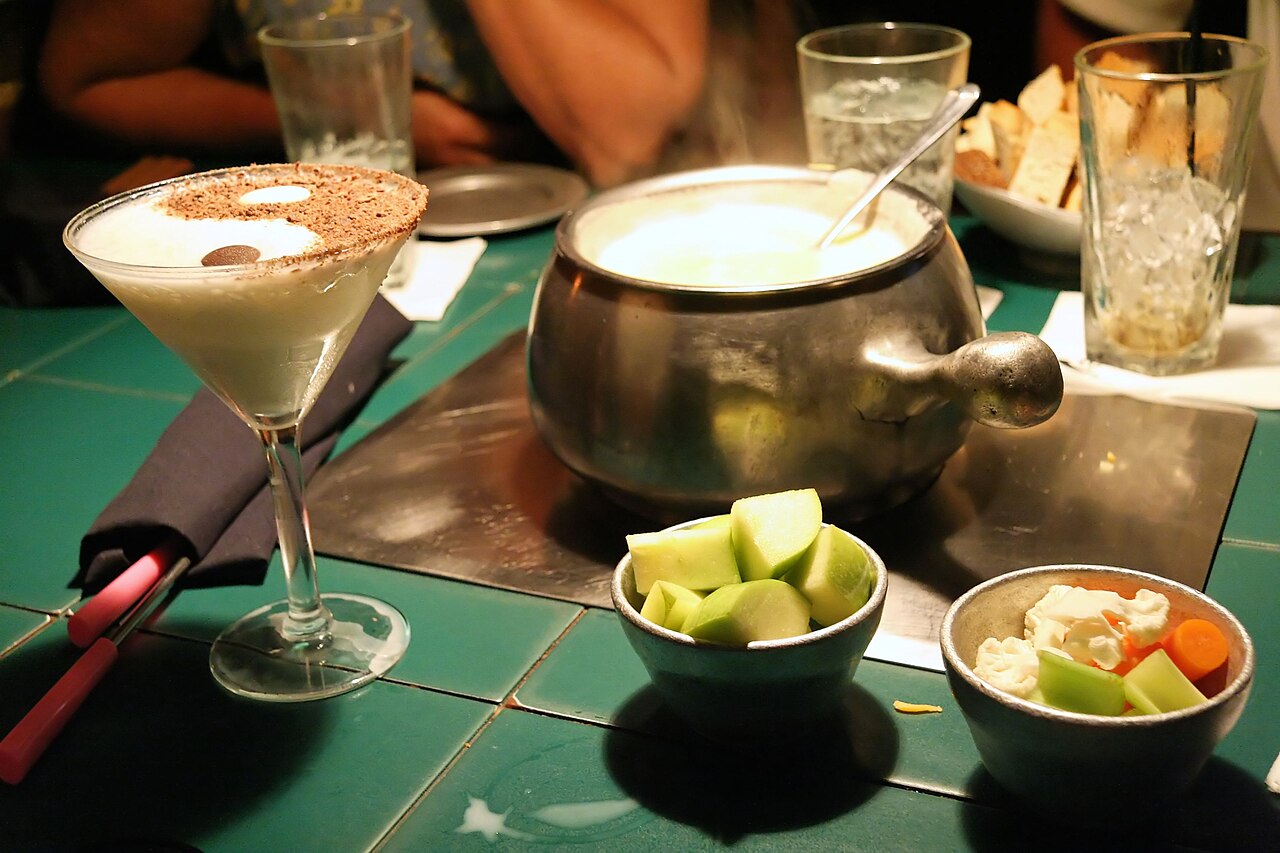
Fondue
Usually Gruyere/Vacherin cheese melted with white wine, served with bread cubes; strong smell, very filling, more natural to order for two or more. It's not a 'must-do Swiss dish' to eat every day, but an experience suitable for winter, mountain towns, or lakeside public bath dinners; you can eat it in summer, but you'll feel very full afterwards. Tourists should note that many restaurants charge per person, drinks and water are extra, and the bill can easily be higher than expected.
Restaurants: Le Dezaley, Swiss Chuchi, Cafe du Soleil
Budget: CHF 28-45
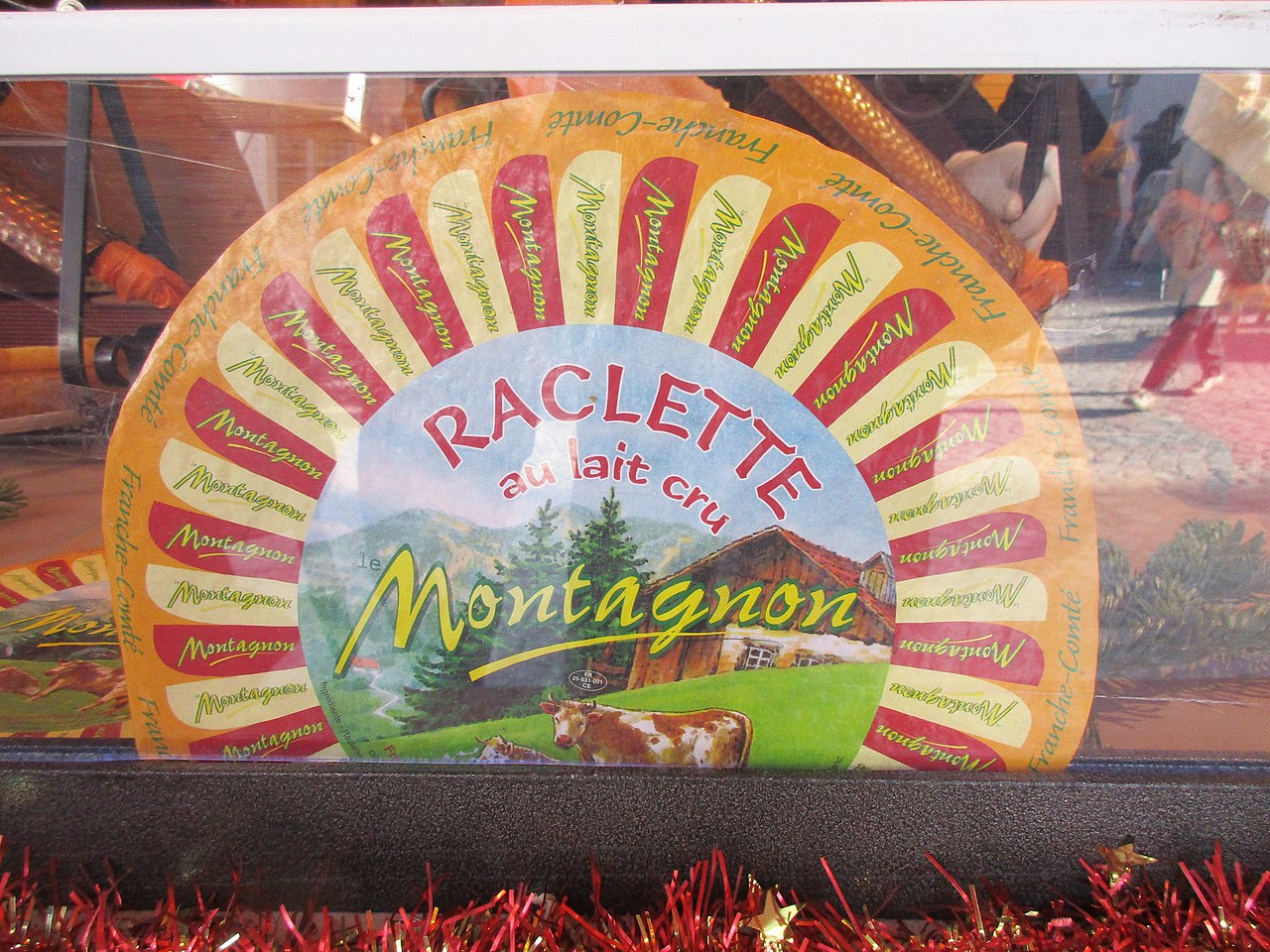
Raclette
The highlight is scraping melted cheese onto potatoes, pickles, and small onions; the Valais region offers the most authentic context. It suits those who want 'mountain vibes' but don't want to sit around a pot for two hours like with fondue, especially fitting for Zermatt, après-ski nightlife, or cold weather dinners. Don't order too many other heavy cheese dishes at the same time; pairing with pickles, salad, or dry white wine is more comfortable; lactose-sensitive individuals should be cautious.
Restaurants: Zermatt and Valais restaurants, Whymper-Stube
Budget: CHF 25-45
Rosti
Fried potato pancake that can be topped with egg, bacon, cheese, or sausage; a meal more suitable for solo travelers than fondue. It's practical in traditional taverns, Bern's old town, and Zurich's old restaurants: prices are still high, but at least it's a complete main dish, unlike mountain-top fast food which is often expensive and generic. Truly good rosti should be crispy on the outside and moist on the inside, not a greasy hash brown.
Restaurants: Zeughauskeller, local inns, Bern old-town taverns
Budget: CHF 18-32
Switzerland Local food and restaurants?
Fondue Usually Gruyere/Vacherin cheese melted with white wine, served with bread cubes; strong smell, very filling, more natural to order for two or more. It's not a 'must-do Swiss dish' to eat every day, but an experience suitable for winter, mountain towns, or lakeside public bath dinners; you can eat it in summer, but you'll feel very full afterwards. Tourists should note that many restaurants charge per person, drinks and water are extra, and the bill can easily be higher than expected. Le Dezaley, Swiss Chuchi, Cafe du Soleil CHF 28-45
Shows, bars, and entertainment
Switzerland after dark and local nights
Evening ideas link music, waterfronts, markets and football screens without forcing every night into a match plan.
Zurich West (Zurich West)
Bars, design shops, restaurants, and the Freitag Tower in this redeveloped industrial area make Zurich more than just banks, the lake, and the old town. Zurich is often treated as a transit hub, but if you stay here the first night, you can ease into Switzerland in a more relaxed way: see the lake and old town during the day, come to Zurich West for dinner and drinks at night; prices are still high but the atmosphere is younger. It's also suitable for rainy days or nights when you don't want to rush for trains.
Bains des Paquis (Bains des Paquis)
A lakeside public bath, swimming and sunbathing in summer, eating fondue in winter; it's the place in Geneva most able to escape the 'international organization tour' feel. Here, tourists see how locals use the lake: lunch breaks, saunas, diving, friends gathering, rather than just taking photos in front of the Jet d'Eau. Check opening hours and seasonal programs; when the wind is strong by the lake, the perceived temperature can be significantly lower than the actual temperature.
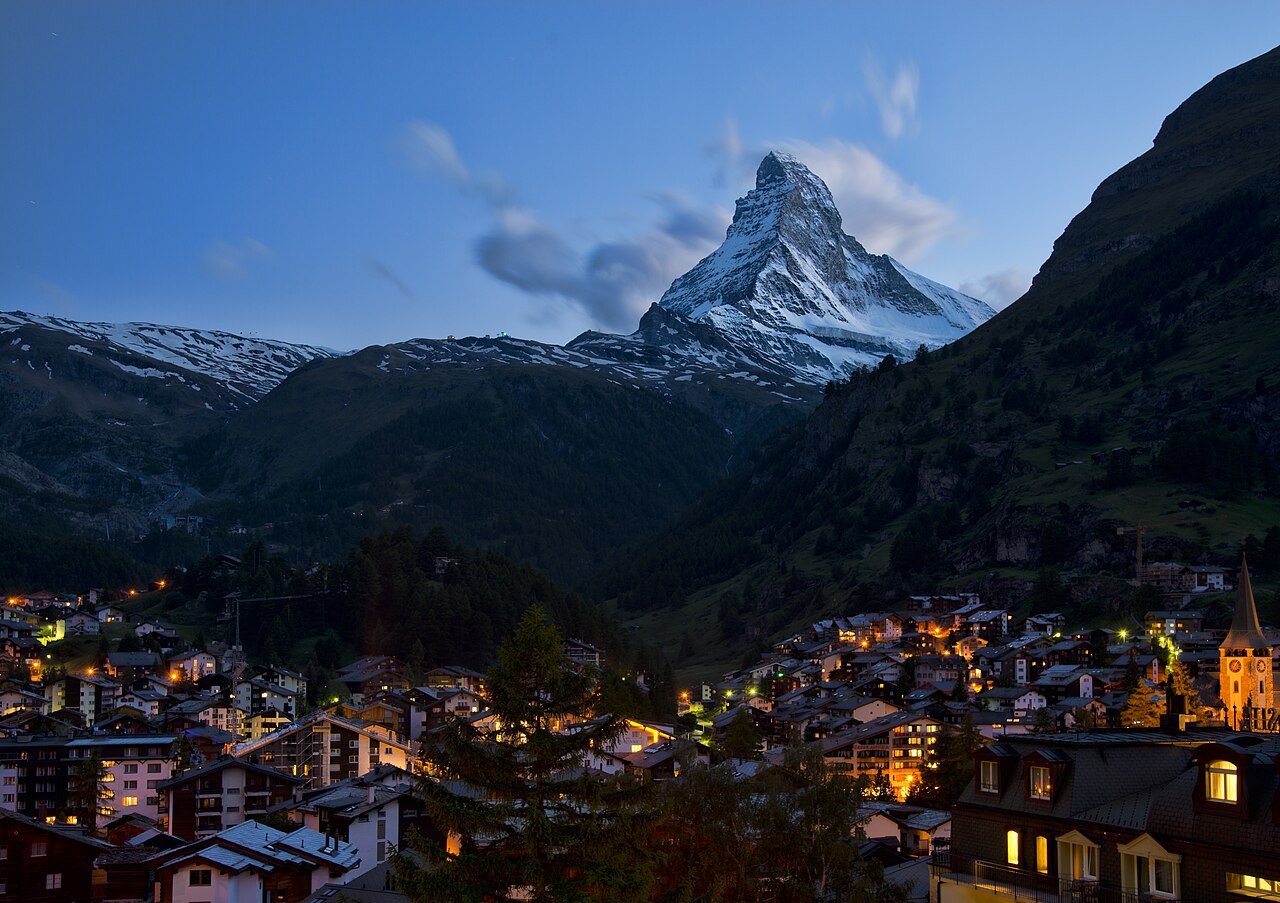
Zermatt Après-ski (Après-ski)
Glühwein, snow boots, music, and cabin streets in Zermatt's evening are suitable after seeing the Matterhorn. It's not a late-night party destination, but a brief relaxation after mountain sports: watching for weather windows, checking the next day's cable car times, and the slope back to the hotel are more important than having one more drink. The ground freezes in winter; wearing normal city shoes will be painful.
Domestic football clubs
Switzerland football clubs and match culture
Club context adds the local football layer behind Nati, from stadium neighborhoods to supporter routines. The greatest travel value of Swiss clubs lies in a 'football map accessible by train': Basel's talent export, Bern's champion home ground, Zurich's city derby, and Geneva's French-speaking identity.
Basel
FC Basel
St. Jakob-Park is the core backdrop for the stories of players like Xhaka and Embolo, and is also a very Swiss-style transport-friendly stadium. Basel is suitable for explaining how Swiss football connects immigrant families, youth academies, border cities, and European competitions; visitors can place it as a night stop between Zurich and Bern, rather than just passing through on the train. Match day dining and accommodation still follow Swiss high-price budgets, don't just calculate the ticket price.
Bern
BSC Young Boys
Wankdorf Stadium connects the Bern capital line and Swiss championship culture, and also carries the historical memory of Swiss football. Arranging the Bern Old Town, Aare river bends, and Wankdorf has more travel value than just taking a car to see the building. Young Boys match days are suitable for explaining that Swiss football is not lacking in emotion, but places that emotion within a more orderly urban system.
Zurich
FC Zurich
Letzigrund frees Zurich from the impression of 'only banks and lakes'; it has both athletics and football attributes, with an atmosphere different from old-fashioned dedicated stadiums. If you catch a Zurich derby or a key league battle, check tickets, fan zones, and tram returns in advance. For tourists, this is a football branch that can connect Zurich West, the lakeside, and city nightlife.
Geneva
Servette FC
Servette is the entry point for French-speaking football in Geneva, and can form a more complete city chapter with Jet d'Eau, Bains des Paquis, and the international organization district. It is suitable for explaining the multilingual structure behind the Swiss national team: the German-speaking region, French-speaking region, and immigrant communities together make up the Nati. If staying overnight in Geneva, watching a Servette match gives more sense of city life than just taking a photo of the UN chair.
Landscape anchors
Switzerland attractions that match the Nati story
These landscapes and city stops give the football-led route a stronger sense of place. The red and white cross of the Swiss national team can bring travel into lakes, the Alps, multilingual cities, and precise railway routes.
$350–$800/night
A collection of 17th- and 18th-century canal houses merged together, ideal for travelers with a higher budget who want to stay inside the UNESCO Canal Ring (Grachtengordel). Highlights: walking distance to Jordaan (Jordaan), Anne Frank House (Anne Frank Huis), De 9 Straatjes (De 9 Straatjes), and brown cafés (bruine kroegen); the route back to the hotel in the evening doesn't cut through too much loud nightlife. Drawbacks: room layouts vary greatly in old buildings—stairs, elevators, street noise, and canal views are not guaranteed—so check each room carefully when booking; not ideal if you're traveling with large suitcases or elderly companions who might struggle with the “historic feel” shown in photos.
The Hoxton Amsterdam (The Hoxton Amsterdam)
$220–$480/night
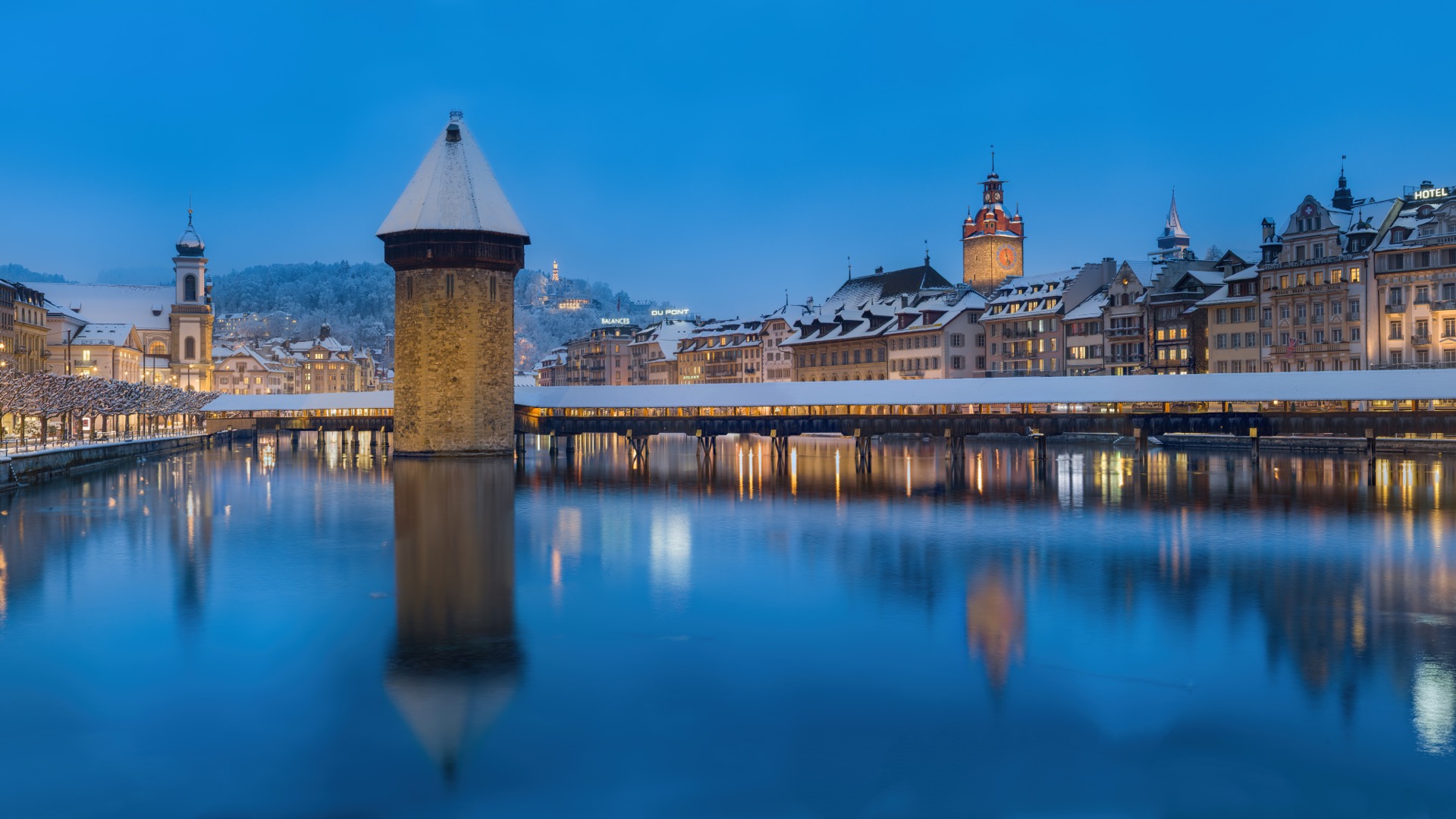
A design hotel along the Herengracht (Herengracht), perfect for first-time visitors to the city center who don't want a traditional luxury feel. Its value lies in the location: walking distance to Dam (Dam), Jordaan (Jordaan), and the canal district, with trams connecting to Museumplein (Museumplein), De Pijp (De Pijp), or Centraal (Centraal Station); the lobby and dining area feel more like a city living room, great for working during the day and having a drink at night. Weekend prices are pushed up by nightlife, short-term tourists, and event calendars. If your main goal is Ajax (AFC Ajax) or a layover at the airport, the value here may not be the best.
The Social Hub Amsterdam City (The Social Hub Amsterdam City)
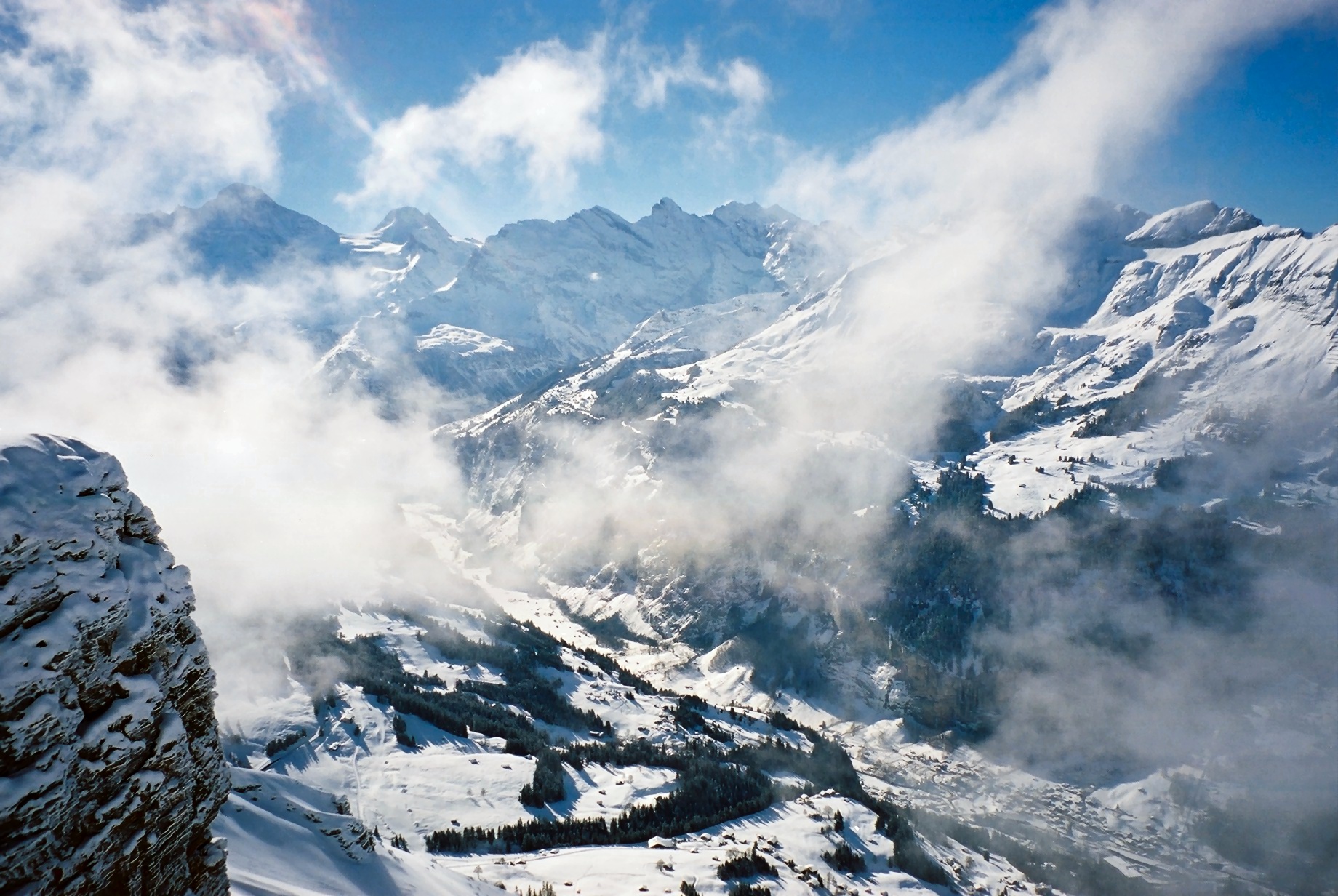
$120–$260/night
Near the Wibautstraat (Wibautstraat) metro station, with rooms and common spaces leaning toward a student / remote-work style. Ideal for those on a controlled budget who take the metro into the center every day or head to the Bijlmer ArenA (Johan Cruijff ArenA) for matches. It's not a romantic “window‑to‑the‑canal” stay, but very practical for first‑time visitors to the Netherlands who want to keep hotel costs down: the metro clearly connects to Centraal (Centraal Station), Zuid (Amsterdam Zuid), and ArenA (Johan Cruijff ArenA), and there are more local dining options nearby. When booking, expect a livelier common area and a mixed atmosphere of tour groups and long‑term guests.
Country travel map
Switzerland travel map for planning
Save the map to compare airports, hotels, restaurants, clubs and attractions before building the route. The map should be read by rail: ZRH / Zurich to Lucerne, Interlaken, Bern, Zermatt, Geneva, with optional Lausanne / Montreux.
Download travel mapBrowse all downloadable travel maps →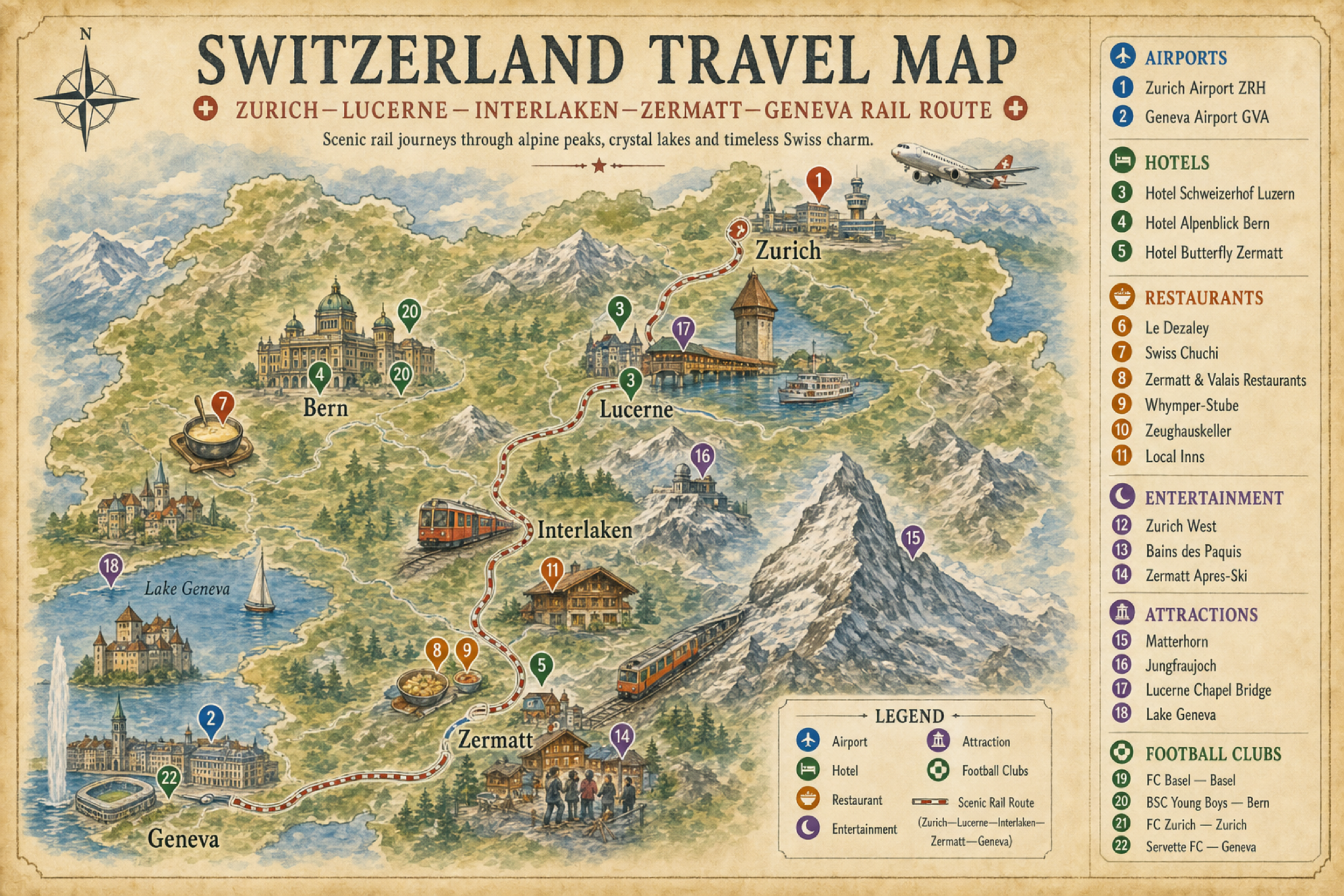
How much money to prepare
Switzerland trip budget
A quick cost frame for flights, hotels, food, transport and paid activities before you book. 6-8 day Switzerland trip, it's recommended to prepare approximately $2,800-$5,500 per person.
ZRH/GVA have many options; European high-speed rail can also replace some routes.
Zermatt, Lucerne, and lakeside areas are most expensive during peak season.
Supermarkets are controllable, sit-down meals are expensive.
Mountain railways and cable cars are the biggest expenses.
Depends on whether you buy a Swiss Travel Pass or Half Fare Card.
Travel rules, prices, transport schedules and safety conditions can change. Recheck official entry rules, local advisories and current prices before booking.
Route reference
Switzerland itinerary sources
External route references used to check pacing, logistics and travel assumptions.
- Switzerland Tourism — Used to verify official attractions, seasons, railway, and mountain travel information.
- SBB — Used to verify intercity railway, transfer, and fare logic.
- Swiss Travel Pass — Used to verify 2026 pass prices and coverage.
- Jungfrau / Zermatt official railways — Used to verify mountain railway opening, weather, and prices.
- Swiss Football Association — Used to verify Swiss national team, matches, and player context.
- FC Basel / Young Boys / FC Zurich / Servette — Used to verify major Swiss clubs, stadiums, and city football routes.
Related route
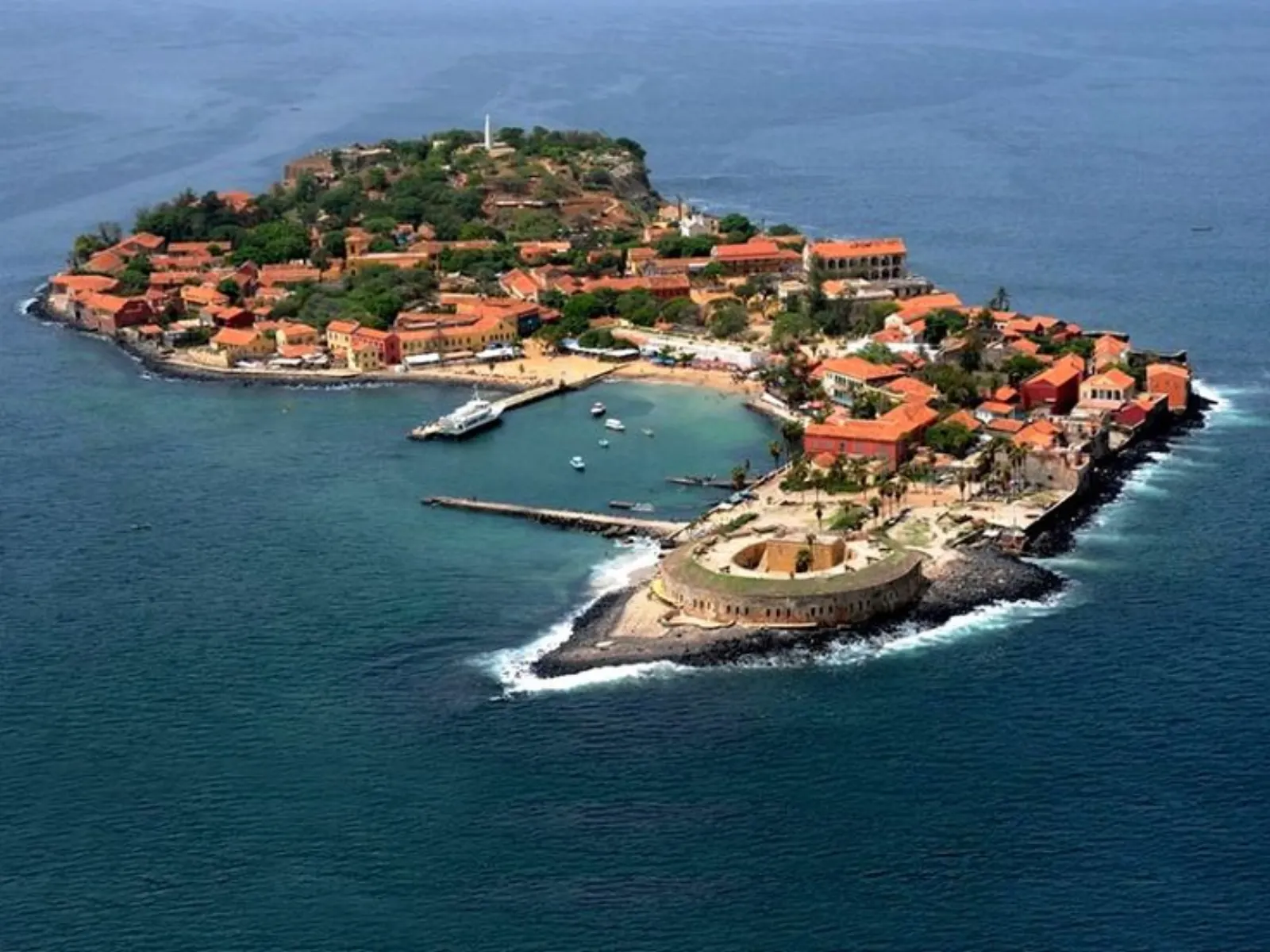
Compare another World Cup travel route
Editorial notes
How this Switzerland guide is maintained
Researched and edited by the Travel the Teams editorial team. This guide combines route-planning context, cultural background and the sources linked above; it is not a substitute for official entry, safety, health or transport advice.
Travel requirements and prices change. Confirm current information with the relevant official authorities and providers before booking.