Country Travel Snapshot
Morocco travel basics: entry, season, budget and transport
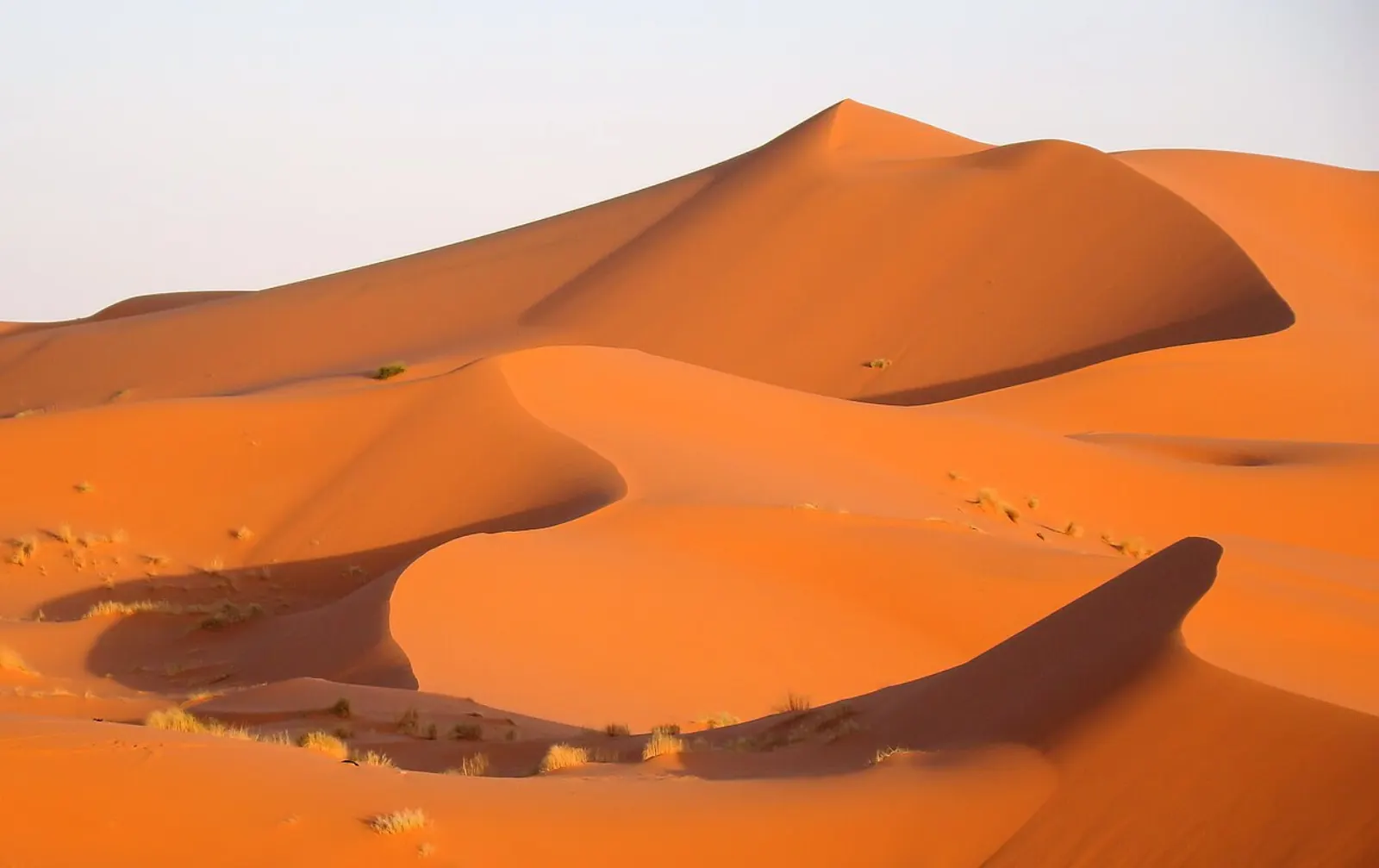
Located in the northwest corner of Africa, bordered by the Mediterranean Sea to the north, the Atlantic Ocean to the west, the Sahara Desert to the south, with the Atlas Mountains stretching across. Start here for the practical checks that decide whether a Morocco trip works: entry rules, weather, costs and local movement.
- Population
- Approximately 37 million people.
- Time Zone
- GMT+1, 7 hours behind Beijing.
- Major Ethnic Groups
- Primarily of Arab-Berber mixed descent, with minority Sub-Saharan African and European expatriate residents.
- Local Language
- Arabic and Tamazight are official languages; French is commonly used in business, transportation, and tourism services.
- Currency and Exchange Rate
- Moroccan Dirham (MAD).
Planning reference: 1 USD is about 10 MAD, 1 EUR is about 11 MAD, 1 CNY is about 1.4 MAD; check real-time exchange rates before actual payment.Loading live reference exchange rates MAD...
Visa/Visa on Arrival
Morocco short-term tourism cannot be prepared as visa-on-arrival. Ordinary Chinese passports, EU/Schengen, US, Canadian, British, Japanese, South Korean, Singaporean, Australian, New Zealand, Russian, Turkish, Brazilian, Mexican and other passports typically allow visa-free stays for up to 90 days; travelers not on the visa-exempt list should apply through Acces Maroc eVisa or embassy/consulate visas. Common eVisas allow 30-day stays with 180-day validity after issuance. Those needing visas are advised to start the process at least 2-4 weeks in advance.
Visa/entry information last reviewed: 2026-07-08. Rules can change by passport, arrival point and transit plan; recheck official rules before booking.Local Transportation
The most reliable option is ONCF trains connecting major cities + CTM/Supratours buses covering areas not served by rail + group tours/private cars for desert sections. Casablanca-Marrakech train journey is about 2.5-3 hours, common fares about MAD 90-150; Casablanca-Fes about 3.5-4 hours; Tangier-Casablanca can use Al Boraq high-speed train for about 2 hours. Getting to Chefchaouen mostly uses CTM buses or private cars; don't expect easy direct public transportation to Merzouga/Erg Chebbi, Marrakech to desert one-way often takes over 9-10 hours.
Best Travel Season
March-May and September-November are best for cities, mountains, and Sahara loops. June-August is not recommended for Merzouga desert as the core of a high-intensity itinerary; December-February suits cities and desert stargazing, but nights are cold, and Atlas mountain roads may be affected by snow.
Cost of Living
Overall significantly lower than Western Europe, but tourist cities clearly differentiate between local prices and tourist prices. Mid-range travelers spend about MAD 700-1,100 per day; budget travelers about MAD 300-500. Hostel beds MAD 80-180, standard traditional courtyard hotel (riad) double room MAD 350-900, high-end riad/desert luxury camp MAD 1,500+; street breakfast/snacks MAD 10-30, regular restaurant tajine MAD 45-90, tourist restaurant dinner MAD 120-250, mint tea MAD 10-25. Sahara 2-3 day shared group tours about EUR 80-150, private car/high-end camps can reach EUR 300-600+. 8-day Morocco round trip, it is recommended to prepare approximately $1,200-$2,800 per person.
Before you book
Morocco practical checks
Use these extra notes after the travel basics to check safety, entry friction, money, transport, routing and the easiest first meal.
Morocco Local Customs?
Morocco is a Muslim-majority country. Urban tourist areas are relatively open, but when entering medinas, villages, family-style riads, and areas around religious buildings, covering shoulders and knees will avoid much unwanted attention. Non-Muslims generally cannot freely enter mosque interiors; Casablanca's Hassan II Mosque is one of the few exceptions with official visiting arrangements. 'Scene switching': You can dress more casually at rooftop restaurants in Marrakech, but need to be much more conservative in Fes alleys and mountain villages. When shopping in medinas, ask prices before touching goods, and only bargain if you intend to buy; if not interested, smile and say 'no thank you' and continue walking, no explanation needed. Guiding, photography, snake/monkey performances, dyeing workshop viewpoints, luggage handling, and finding riads may all involve tips or fees - confirming prices beforehand is more effective than disputes afterward. The most mentally draining aspect isn't individual price levels but being constantly greeted, followed, and offered 'free guidance'; it's recommended to schedule only one high-intensity market period per day, returning to accommodation to rest in the evening.
Morocco Visa/Visa on Arrival?
Morocco short-term tourism cannot be prepared as visa-on-arrival. Ordinary Chinese passports, EU/Schengen, US, Canadian, British, Japanese, South Korean, Singaporean, Australian, New Zealand, Russian, Turkish, Brazilian, Mexican and other passports typically allow visa-free stays for up to 90 days; travelers not on the visa-exempt list should apply through Acces Maroc eVisa or embassy/consulate visas. Common eVisas allow 30-day stays with 180-day validity after issuance. Those needing visas are advised to start the process at least 2-4 weeks in advance. During Ramadan, dining, transportation, and business hours change during the day, with traffic congestion and crowded restaurants around sunset, and long-distance drivers also affected by schedule changes. Tourists can travel normally, but avoid eating and drinking conspicuously in inappropriate public places; if staying in a riad, confirm breakfast times and dinner availability in advance. Trains, buses, and hotels become more strained around Eid holidays - don't leave inter-city travel to the last minute.
Morocco Currency and Exchange Rate?
Moroccan Dirham (MAD). Planning reference: 1 USD is about 10 MAD, 1 EUR is about 11 MAD, 1 CNY is about 1.4 MAD; check real-time exchange rates before actual payment. Overall significantly lower than Western Europe, but tourist cities clearly differentiate between local prices and tourist prices. Mid-range travelers spend about MAD 700-1,100 per day; budget travelers about MAD 300-500. Hostel beds MAD 80-180, standard traditional courtyard hotel (riad) double room MAD 350-900, high-end riad/desert luxury camp MAD 1,500+; street breakfast/snacks MAD 10-30, regular restaurant tajine MAD 45-90, tourist restaurant dinner MAD 120-250, mint tea MAD 10-25. Sahara 2-3 day shared group tours about EUR 80-150, private car/high-end camps can reach EUR 300-600+. 8-day Morocco round trip, it is recommended to prepare approximately $1,200-$2,800 per person.
Real route reference
8-day Morocco itinerary for World Cup travelers
A practical route that turns interest in Atlas Lions into cities, landscapes, food stops and match-night culture. Morocco is not the kind of trip you can complete in one city. An 8-day itinerary is the introductory route: land in Casablanca, then Marrakech for the red city and mountain roads, Merzouga for the Sahara, Fes for the thousand-year-old medina, Chefchaouen as the blue mountain town finale, and finally from Rabat or Essaouira back to the Atlantic.
Day 1 · Casablanca / Marrakech
Land in Casablanca, then head straight south to Marrakech
CMN → Hassan II Mosque → Train to Marrakech
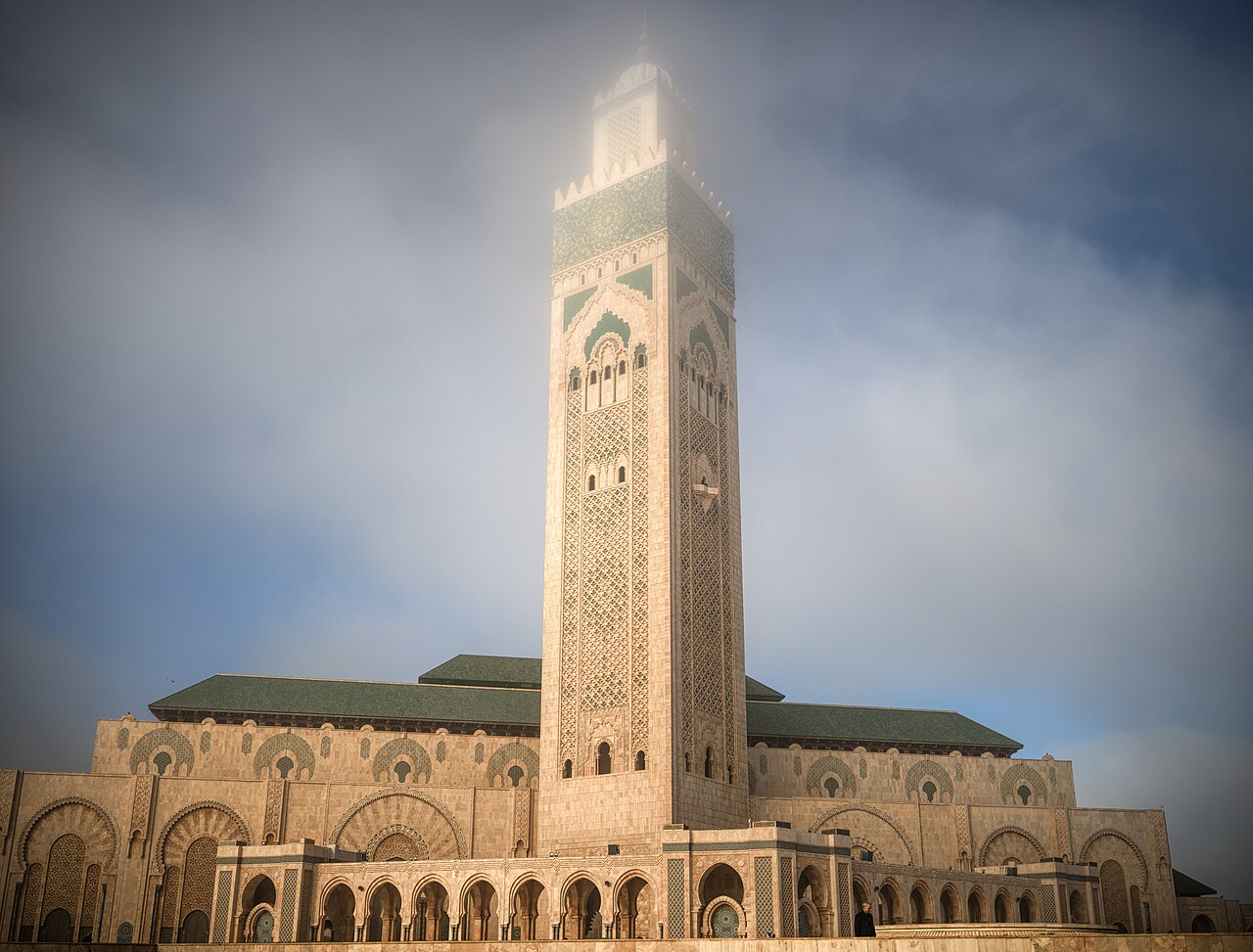
The scale of the Hassan II Mosque, the Atlantic breeze, and the seaside square give a clear picture on the first day; but Casablanca itself may not be ideal for a long stop on a first trip. Football fans can add Stade Mohammed V and Wydad/Raja as a city supplement, understanding that Casablanca is not just an airport and office towers, but one of Morocco's most football-passionate cities. Then take the ONCF train to Marrakech for a more typical red city experience.
Confirm the airport/city train connection and the Marrakech riad transfer in advance; don't drag your suitcase through the medina at night. If your flight arrives late, it's better to stay in Casablanca for one night and continue the next day in daylight.
Day 2 · Marrakech
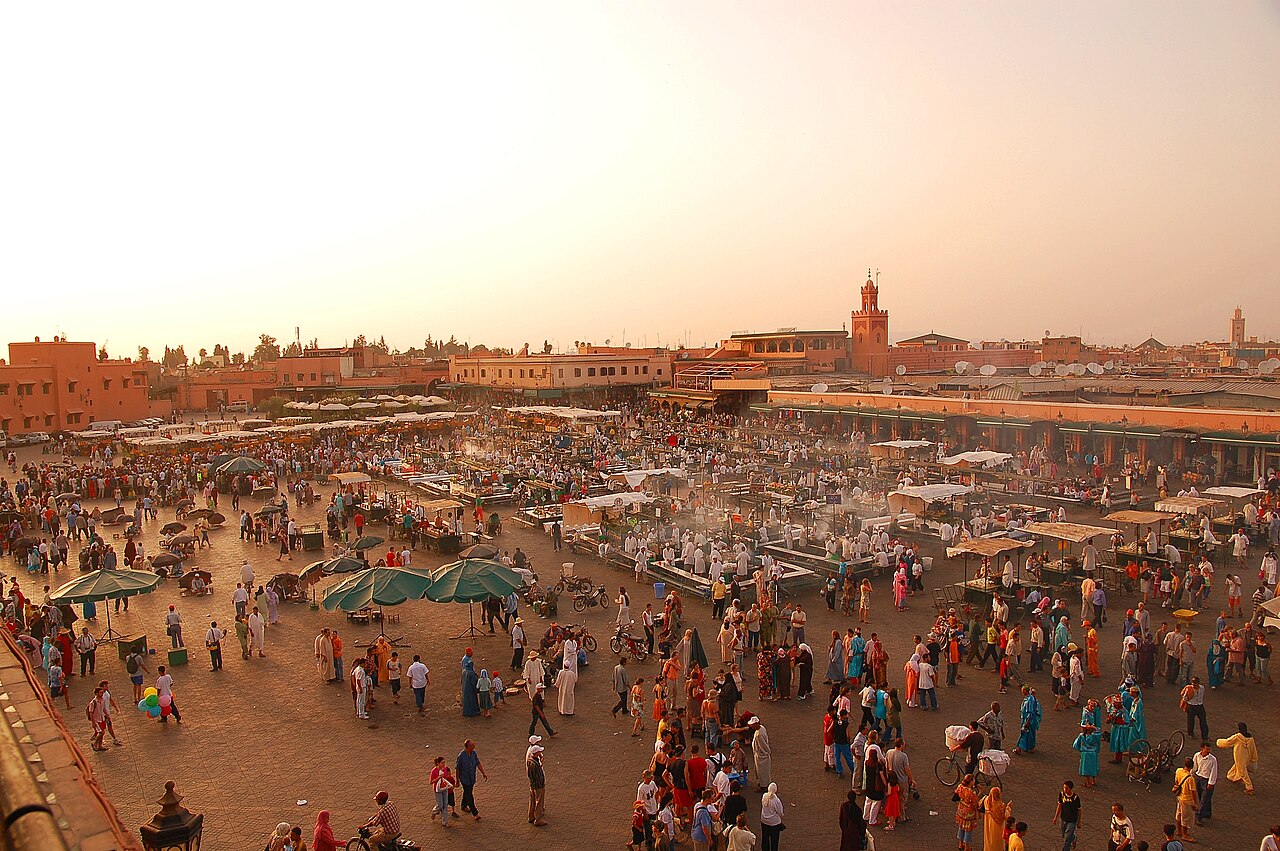
Marrakech: Red Walls, Gardens, and Night Market at Jemaa el-Fnaa
Jemaa el-Fnaa → Koutoubia → Majorelle Garden → Souks
During the day, visit Koutoubia, the gardens, and the souks; return to Jemaa el-Fnaa in the evening. The square is not just a simple attraction, but a live scene of prices, performances, food, sales pitches, music, and crowds. The experience suggests: first watch the panorama from a rooftop café, then go down for a short walk—this is smoother than getting lost among the stalls right away. The souks are fun but exhausting; don't cram all your shopping, dinner, and photos into one night.
When staying in a riad, remember the nearest vehicle access point; use offline maps and the hotel's business card for returning at night. Before taking photos of people or performances or accepting guidance, ask the price first; if you don't want to buy, smile, decline, and keep walking.
Day 3 · High Atlas
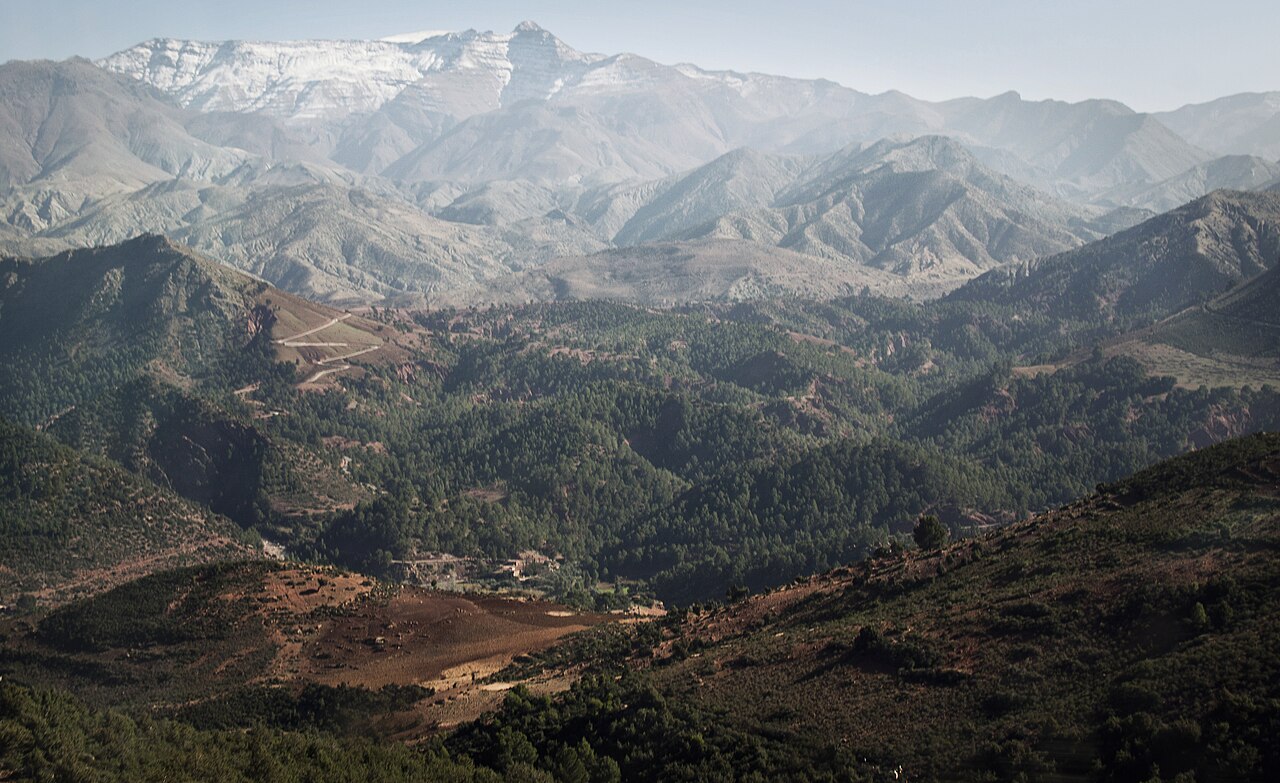
Crossing the Atlas Mountains: Tizi n'Tichka and Ait Benhaddou
Marrakech → Tizi n'Tichka → Ait Benhaddou → Dades
The real challenge of the Sahara route is the movement: winding mountain roads, altitude, motion sickness, shopping stops, and long drives. Ait Benhaddou's mud-brick fortress is very photogenic, but it's not an isolated check-in spot; it has its place in the ancient trade route, film locations, and mountain villages. In real feedback, many people underestimate the fatigue of the journey from Marrakech to Dades, especially when traveling in a large group minibus.
The mountain roads are long; those prone to motion sickness should prepare in advance. In winter, watch for snow and road conditions; don't schedule arrival too late. When choosing a tour, check whether it includes guided tours, lunch, optional activities, and shopping stops; don't just compare the lowest price.
Day 4 · Sahara / Merzouga
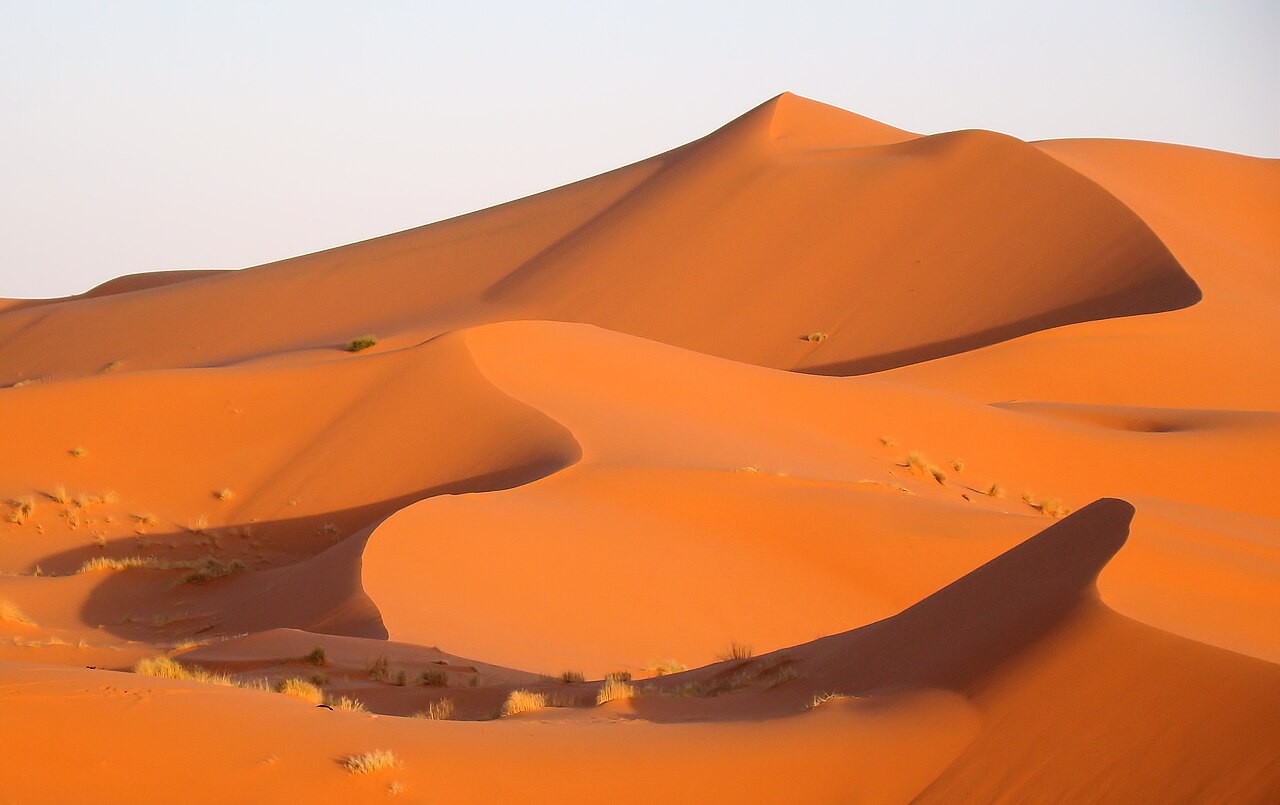
Merzouga: Camels, Dunes, and Erg Chebbi Sunset
Dades → Todgha Gorge → Merzouga → Erg Chebbi
The dunes of Erg Chebbi are a highlight, but what truly affects the experience is the camp quality, transfer method, travel fatigue, and seasonal temperature differences. The desert cools rapidly after sunset, and summer days can be too hot; walking on the dunes is more strenuous than it looks in photos, and camel rides are not comfortable for everyone. This part of the trip requires assessing whether it suits you, rather than just focusing on the 'romantic starry sky' aspect.
Confirm transfers, dinner and breakfast, private bathroom, hot water, winter warmth, 4x4/camel timing, and cancellation policy; plan carefully from June to August. Bring a headlamp, wet wipes, a scarf, and thick socks, and protect electronics from sand.
Day 5 · Fes
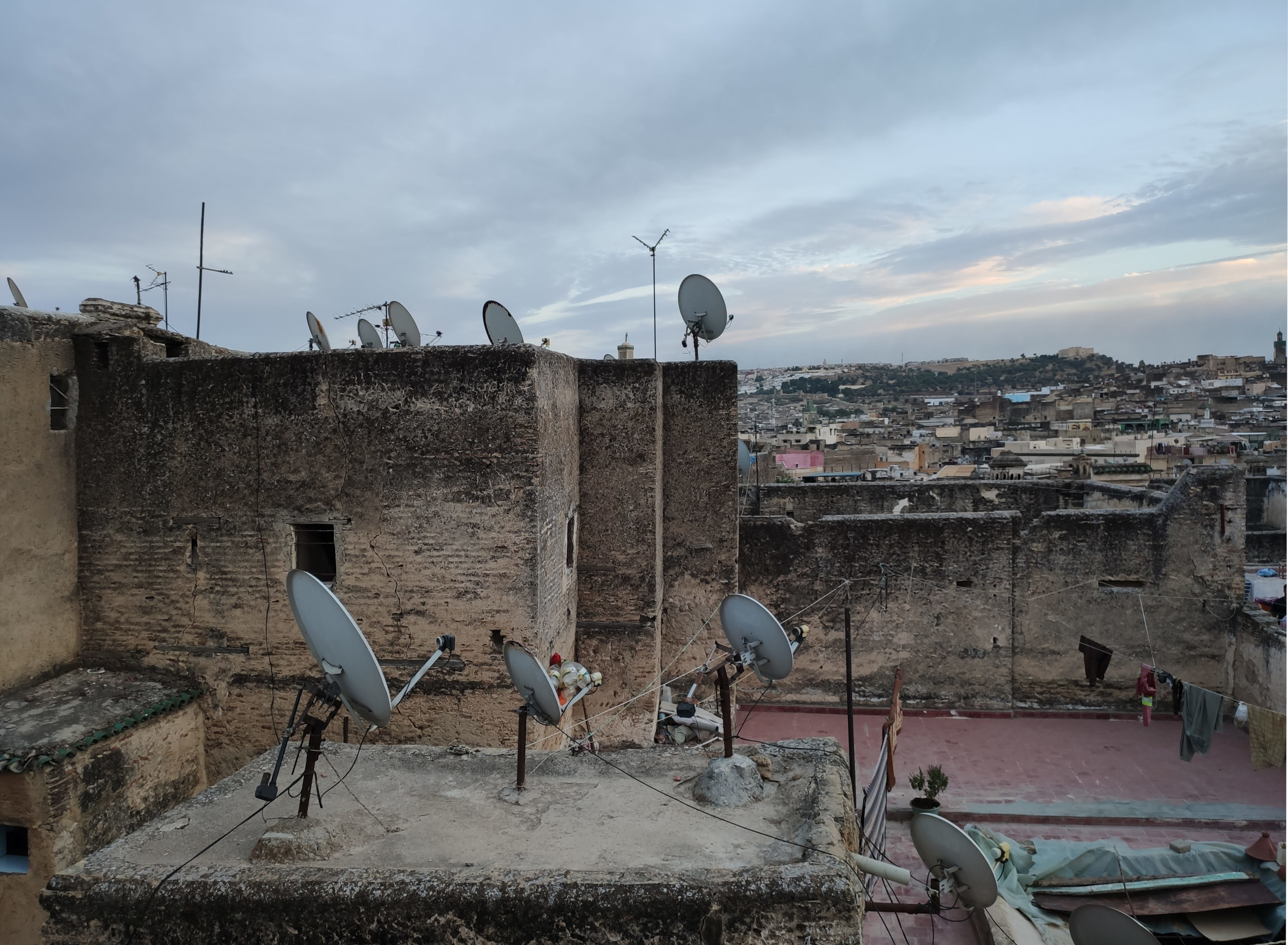
From Dunes to Fes: A Long but Rewarding Travel Day
Merzouga → Ziz Valley → Midelt → Fes
This day should not be overloaded with more sights; the window itself is the content: the palm groves of Ziz Valley, the mountains near Midelt, lunch at a rest stop, and the urban density of Fes in the evening. It is the most tiring travel day of the 8-day route, and also the one that best conveys Morocco’s geographical span. It’s often said that upon arriving in Fes, you should only eat and rest, not immediately plunge into the depths of the medina.
Prepare water, snacks, motion sickness medicine, a power bank, and downloaded maps; don’t schedule important dinner reservations too early. When entering Fes at night, have the riad arrange a porter or specify a clear pickup point.
Day 6 · Fes
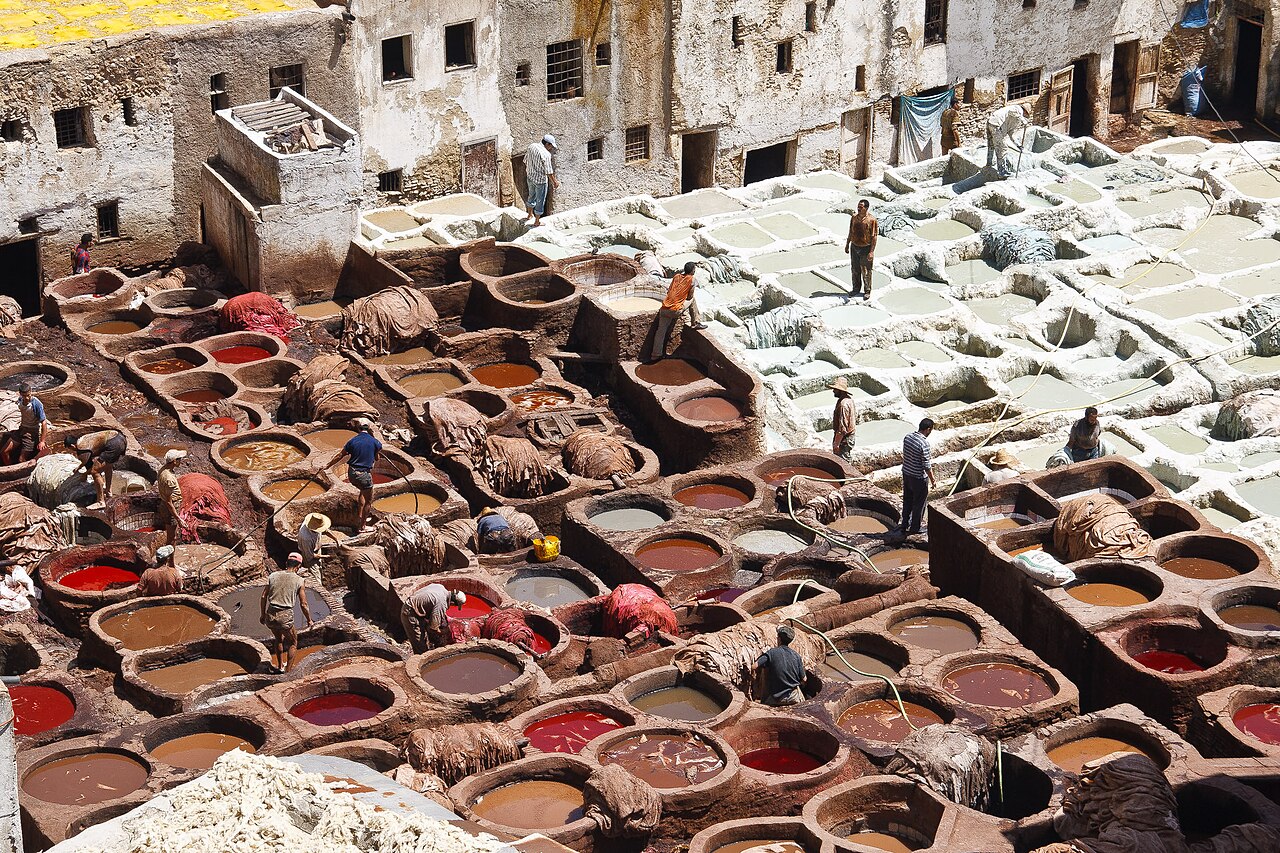
Fes: The Medina, Tannery, and Oldest University
Fes el-Bali → Chouara Tannery → Al-Qarawiyyin
The value of Fes el-Bali lies in its living medieval urban fabric: donkey carts, leather tanneries, handicraft workshops, religious architectural boundaries, and highly complex alleyways. The tannery viewing platforms are usually attached to shops, and visitors should expect to be solicited; but if you dismiss it entirely as a “scam risk,” you’ll miss the authentic layers of the craft industry and the city’s smells. A proper guide can turn the stress of getting lost into historical insight.
It is recommended to hire a proper half-day guide; do not casually follow street “guides.” Always ask before photographing artisans or religious scenes. Wear shoes you don’t mind getting dirty. The tannery has strong odors; sensitive travelers can bring mint leaves or a mask.
Day 7 · Chefchaouen
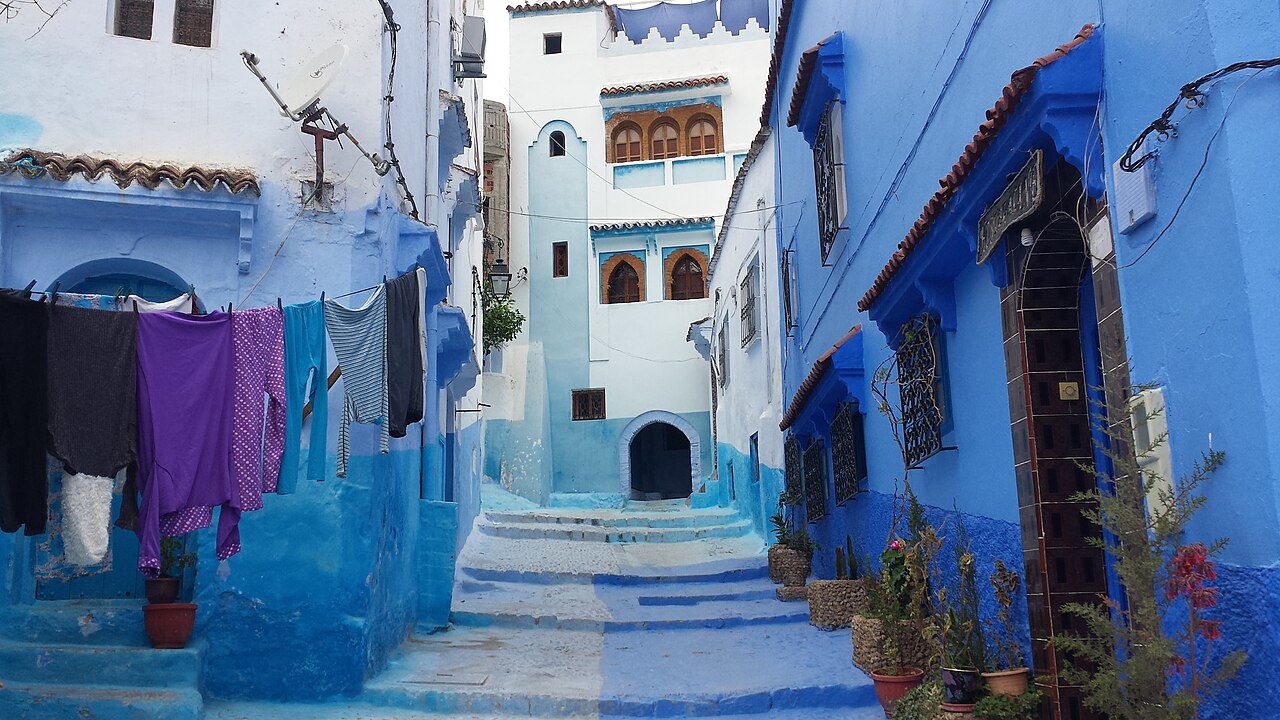
Chefchaouen: The Last Afternoon in the Blue Mountain Town
Fes → Chefchaouen
The Blue City is most easily misunderstood as a filter destination. What it truly offers is slow walking, uphill paths, sipping mint tea, watching the light shift over the Rif Mountains, and observing local life; when taking photos in popular alleys, don’t block residents’ doorways, and don’t treat every blue wall as a photo studio. Chefchaouen is more relaxed than Marrakech or Fes, but it also depends more on good weather and a slower pace.
From Fes to Chefchaouen, most people take the CTM bus or hire a private driver; the Blue City is far from the airport and major cities, so don’t leave it until the last morning. Those with a lot of luggage should stay near the vehicle entrance, as the uphill in the old town is tiring.
Day 8 · Rabat / Essaouira
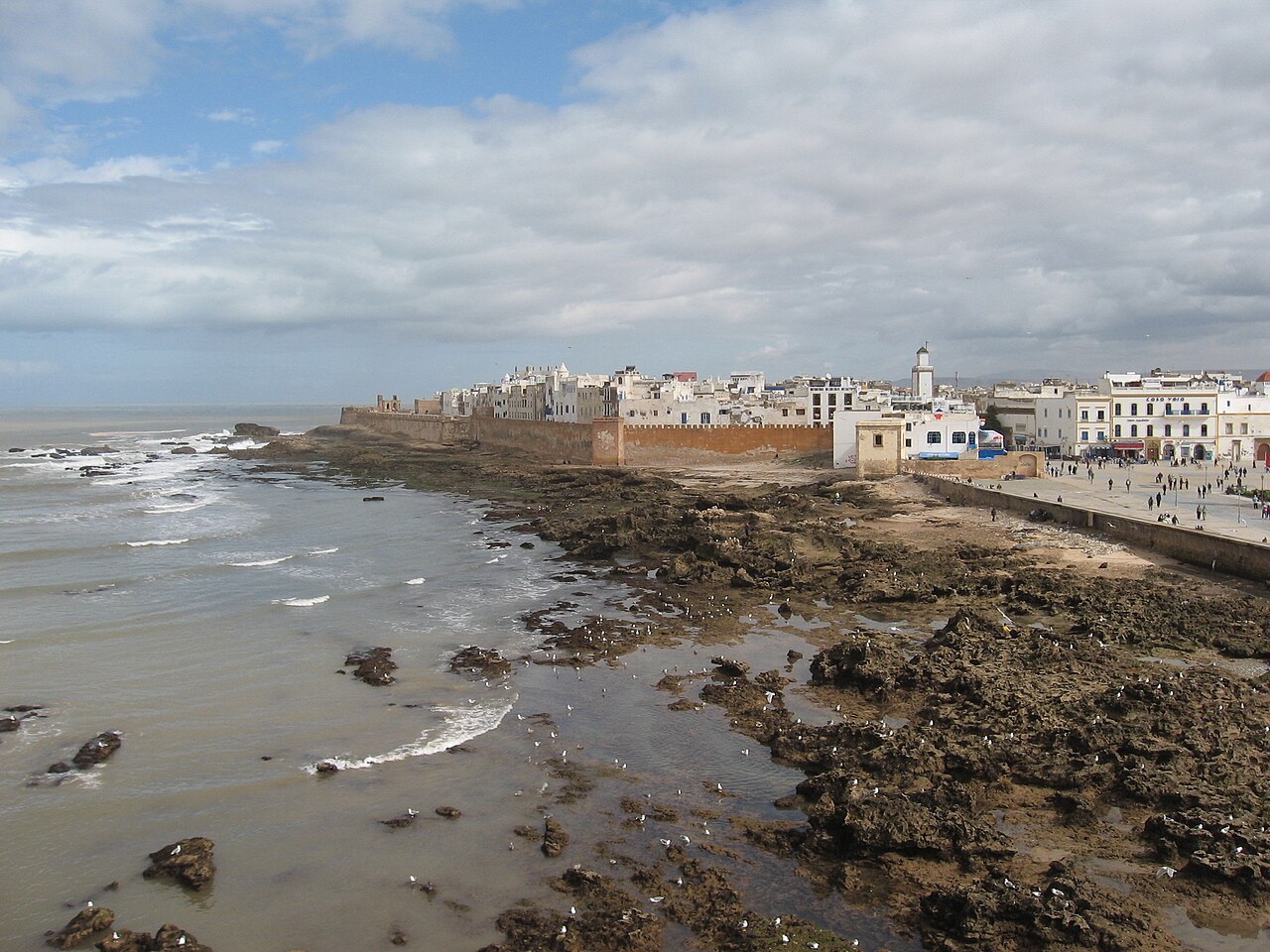
Rabat or Essaouira: Political Capital or Atlantic Finale
Rabat or Essaouira → Casablanca
Rabat is better for a clean, orderly capital finale: the Kasbah of the Udayas, Hassan Tower, and the seaside offer a release from the pressure of the medina. Essaouira, on the other hand, is wind, sea walls, a fishing port, seafood, and Gnawa music—ideal for those who want to slow down by the Atlantic. Don’t try to squeeze both into one day; choose based on your departure airport, energy level, and willingness to travel long distances.
Plan your route backward from your return airport; on the last night, try to stay near Casablanca, Rabat, or RAK, and don’t gamble on long-distance bus punctuality. Essaouira is windy—bring a jacket; Rabat suits travelers who need a reliable train to CMN.
🇲🇦 Morocco Travelogue
Morocco Travel: Following Your Nose Through the Red City, Tanneries, and the Sahara
Read the narrative side of Morocco: how arrival, football curiosity and local rhythm connect beyond a checklist.
The first time I made a Morocco travel itinerary, I thought the map would begin at Casablanca Airport, then run through Marrakech, Fez, Merzouga, and on toward the Sahara. Only after landing did I realize Morocco does not unfold in kilometers. It first claims you by smell. When the evening wind moves through Marrakech, saffron, cumin, cinnamon, and dried roses in the spice market speak all at once like vendors refusing to yield the floor. I walked slowly among sacks, and a shopkeeper placed a pinch of Ras el Hanout in my palm. More than thirty spices mixed together, smelling like an old road that had come from Saharan trade routes to the walls of the Red City.
After dark, Jemaa el-Fnaa sets that road alight. Rows of charcoal fires glow, lamb fat drips into the flames, and white smoke curls up at once. The aniseed scent of snail soup, the char of grilled sausage, the cut sweetness of orange-juice stalls all press themselves over drumming and calls. Someone pulls you toward a menu, someone offers a chair, someone smiles through the smoke and says, "China?" I sat on a wobbly plastic stool watching skewers turn, and suddenly understood why many people say Marrakech is exhausting: it is not merely loud. It is too full. Even the air has no blank space.
Read the full Morocco World Cup travel storyPhotos of Famous Local Players
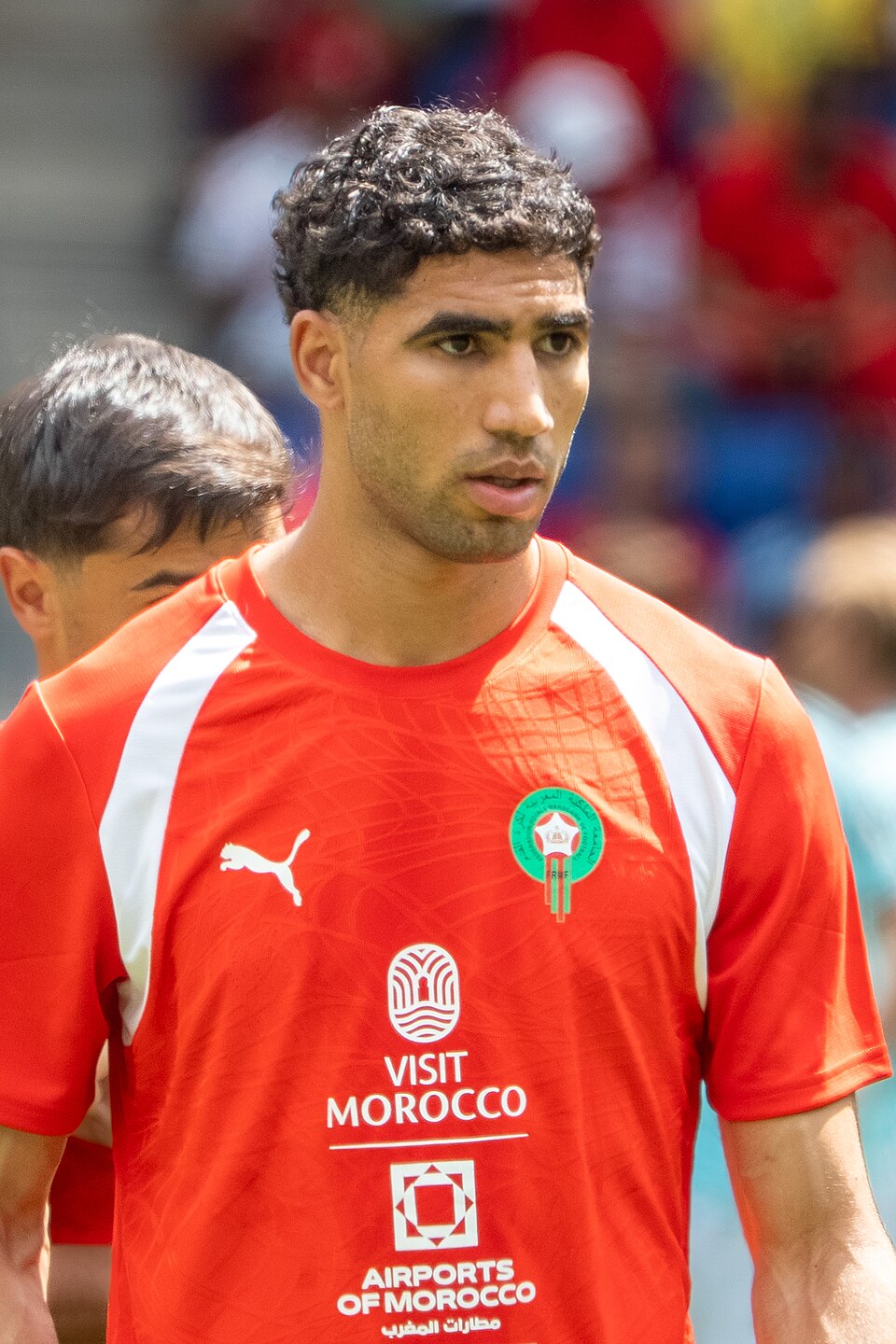
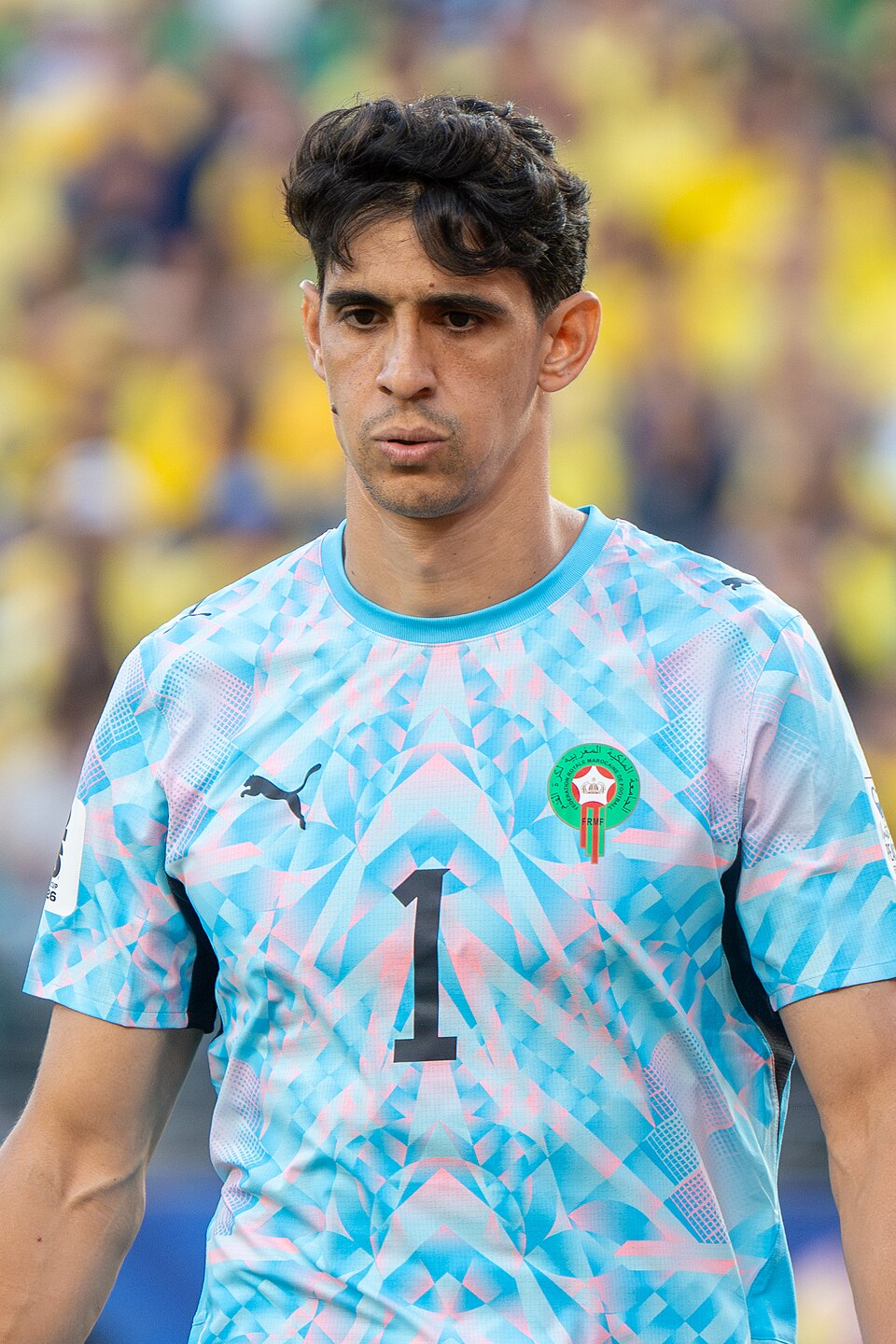
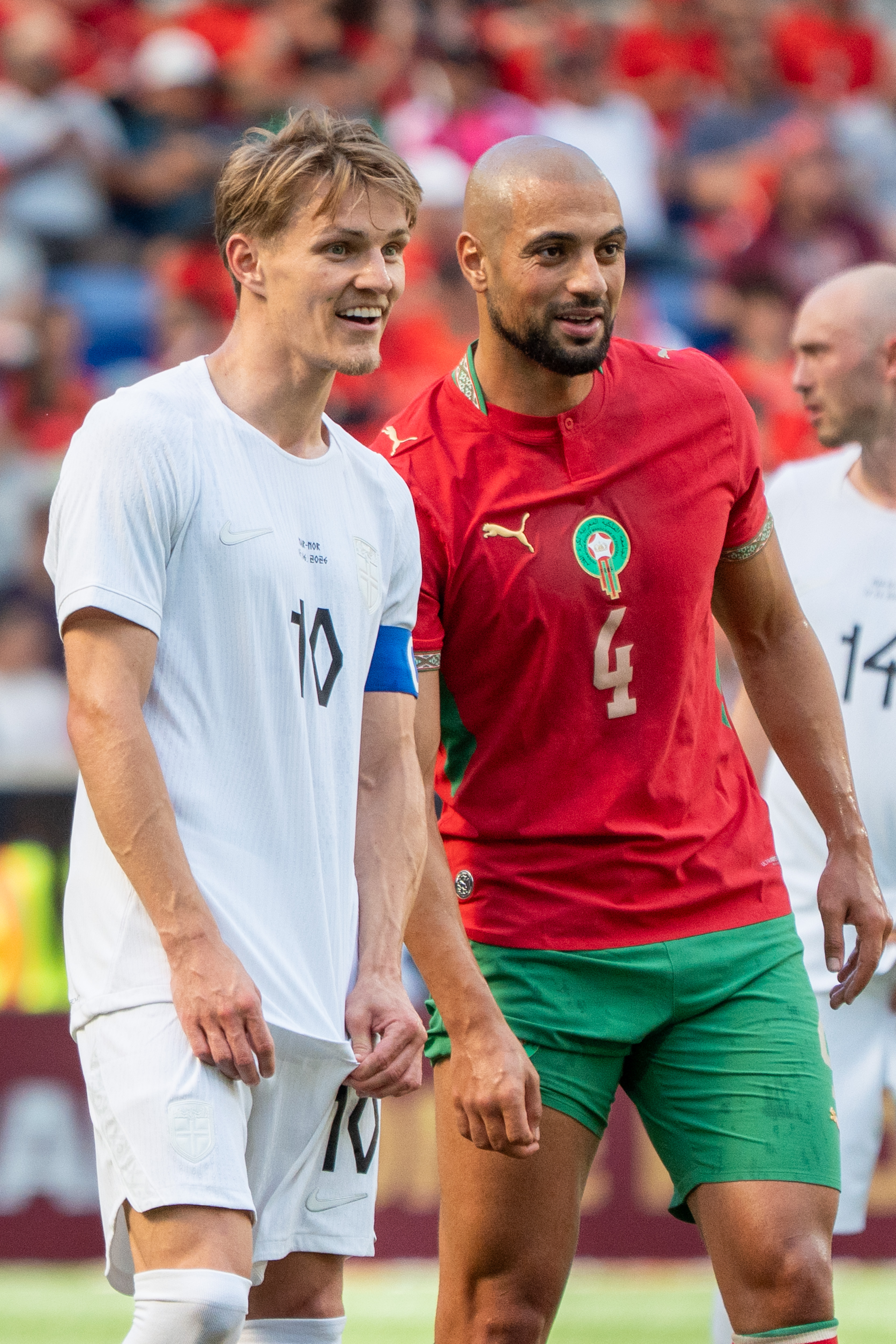
Morocco players and football faces
Player context helps connect Atlas Lions with hometowns, clubs, diaspora stories and routes a traveler can actually follow.
Recommended Arrival Airport and Flight Budget
Morocco airports and flight routes
Use this section to compare arrival airports, likely connections and where each route places you inside Morocco. Flight prices are seasonal budget ranges; final prices are based on real-time searches.
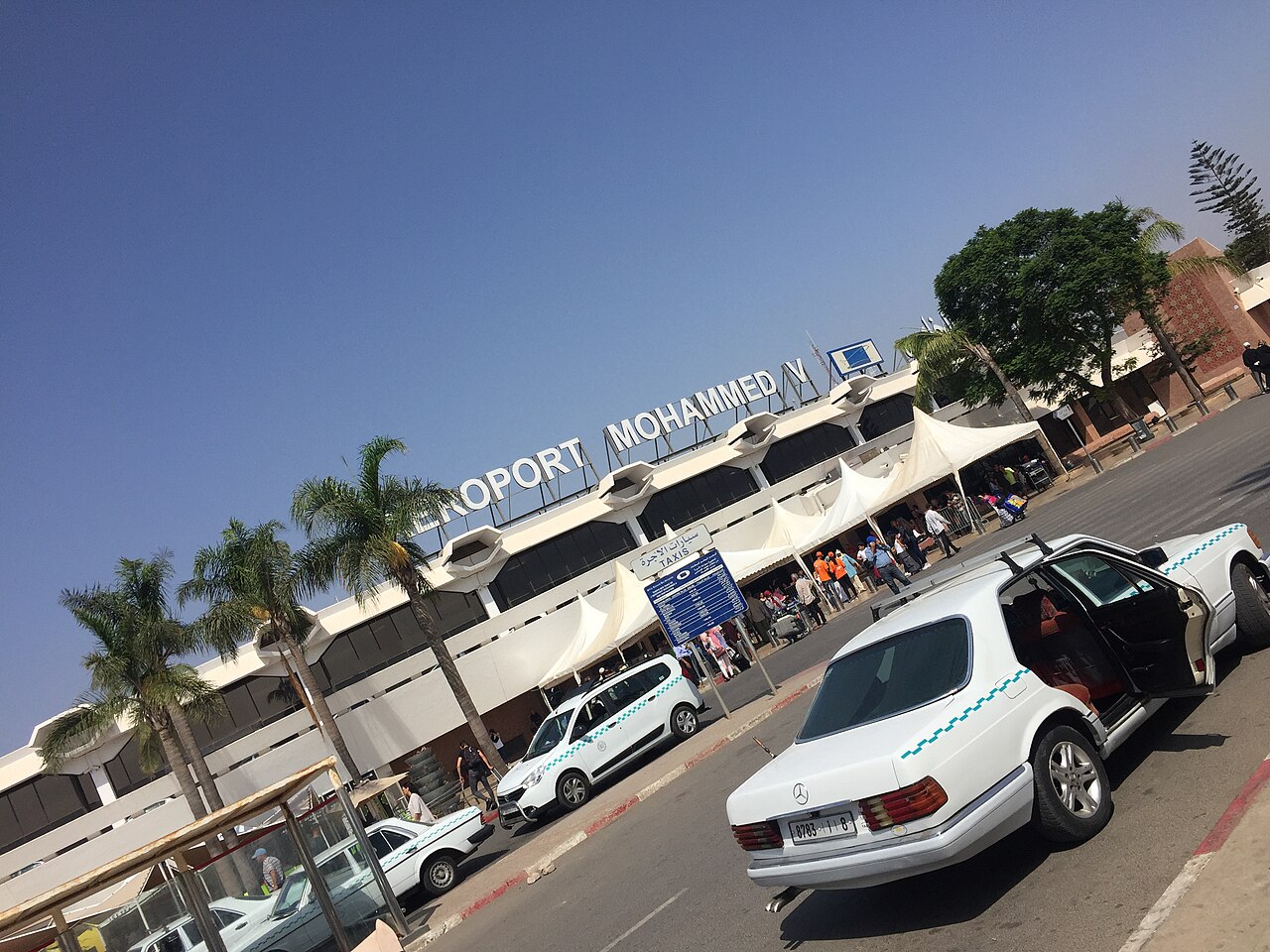
CMN
Mohammed V International Airport
Morocco's largest international airport, suitable for taking a train to Marrakech, Rabat, or Fes after entering via Casablanca.
RAK
Marrakech Menara Airport
Suitable for a southern route focusing on Marrakech + Sahara; many European low-cost airlines fly direct.
Local Customs
- Morocco is a Muslim-majority country. Urban tourist areas are relatively open, but when entering medinas, villages, family-style riads, and areas around religious buildings, covering shoulders and knees will avoid much unwanted attention. Non-Muslims generally cannot freely enter mosque interiors; Casablanca's Hassan II Mosque is one of the few exceptions with official visiting arrangements. 'Scene switching': You can dress more casually at rooftop restaurants in Marrakech, but need to be much more conservative in Fes alleys and mountain villages.
- When shopping in medinas, ask prices before touching goods, and only bargain if you intend to buy; if not interested, smile and say 'no thank you' and continue walking, no explanation needed. Guiding, photography, snake/monkey performances, dyeing workshop viewpoints, luggage handling, and finding riads may all involve tips or fees - confirming prices beforehand is more effective than disputes afterward. The most mentally draining aspect isn't individual price levels but being constantly greeted, followed, and offered 'free guidance'; it's recommended to schedule only one high-intensity market period per day, returning to accommodation to rest in the evening.
- During Ramadan, dining, transportation, and business hours change during the day, with traffic congestion and crowded restaurants around sunset, and long-distance drivers also affected by schedule changes. Tourists can travel normally, but avoid eating and drinking conspicuously in inappropriate public places; if staying in a riad, confirm breakfast times and dinner availability in advance. Trains, buses, and hotels become more strained around Eid holidays - don't leave inter-city travel to the last minute.
Morocco Local Transportation?
The most reliable option is ONCF trains connecting major cities + CTM/Supratours buses covering areas not served by rail + group tours/private cars for desert sections. Casablanca-Marrakech train journey is about 2.5-3 hours, common fares about MAD 90-150; Casablanca-Fes about 3.5-4 hours; Tangier-Casablanca can use Al Boraq high-speed train for about 2 hours. Getting to Chefchaouen mostly uses CTM buses or private cars; don't expect easy direct public transportation to Merzouga/Erg Chebbi, Marrakech to desert one-way often takes over 9-10 hours.
Morocco Flight Route Reference?
Morocco is not the kind of trip you can complete in one city. An 8-day itinerary is the introductory route: land in Casablanca, then Marrakech for the red city and mountain roads, Merzouga for the Sahara, Fes for the thousand-year-old medina, Chefchaouen as the blue mountain town finale, and finally from Rabat or Essaouira back to the Atlantic. Land in Casablanca, then head straight south to Marrakech CMN → Hassan II Mosque → Train to Marrakech Confirm the airport/city train connection and the Marrakech riad transfer in advance; don't drag your suitcase through the medina at night. If your flight arrives late, it's better to stay in Casablanca for one night and continue the next day in daylight. Marrakech: Red Walls, Gardens, and Night Market at Jemaa el-Fnaa Jemaa el-Fnaa → Koutoubia → Majorelle Garden → Souks When staying in a riad, remember the nearest vehicle access point; use offline maps and the hotel's business card for returning at night. Before taking photos of people or performances or accepting guidance, ask the price first; if you don't want to buy, smile, decline, and keep walking. Crossing the Atlas Mountains: Tizi n'Tichka and Ait Benhaddou Marrakech → Tizi n'Tichka → Ait Benhaddou → Dades The mountain roads are long; those prone to motion sickness should prepare in advance. In winter, watch for snow and road conditions; don't schedule arrival too late. When choosing a tour, check whether it includes guided tours, lunch, optional activities, and shopping stops; don't just compare the lowest price.
Hotel Recommendations Upon Arrival
Where to stay in Morocco
Hotel choices are grouped by route logic, airport access, neighborhood feel and match-day convenience.
Riad Kniza
Price Range: $180-$420/night
The value of a traditional courtyard inn (riad) lies in the courtyard, rooftop, breakfast, and butler-style service, not in door-to-door access. When staying in the Marrakech Medina for the first time, have the hotel arrange a shuttle to the nearest parking spot in advance; mark the route back at night on offline maps and the hotel's business card. Many good riads are hidden in alleys, and taxi drivers will only drop you off near the entrance. The highlights of staying in a riad are often the rooftop at dawn, mint tea in the courtyard, and staff helping you avoid tourist traps, but downsides include potentially low light, narrow stairs, and poor soundproofing.
Dar Roumana
Price Range: $120-$300/night
Strong Fes old town architectural experience, suitable for those willing to hire a guide, stroll slowly through the medina, and accept that cars cannot reach the door. Fes el-Bali's alleys are more complex than Marrakech's; if you have heavy luggage or arrive at night, you must arrange a hotel porter in advance, otherwise dragging suitcases over stone roads and steps will be miserable. Its specialty is not luxury facilities, but the old house structure, rooftop views, dinner, and proximity to ancient city life; not suitable for those who want to call a car quickly every day.
Luxury Desert Camp
Price Range: $80-$350/night
Merzouga camps vary greatly; the tents in photos do not equal a comfortable experience. Before booking, confirm if 4x4/camel transfers, dinner and breakfast, private bathroom, hot water, winter thick blankets, dune location, cancellation policy, and actual transport from the road to the camp are included; some low-cost tours pack shopping stops and long drives. In summer, don't imagine luxury tents as summer resorts; in winter, prepare fleece and thick socks for the cold nights.
Local Cuisine and Restaurants
What to eat in Morocco
Food notes focus on local dishes, realistic restaurant types, prices and the easiest first meals after arrival.
Tajine
Slow-cooked in a conical clay pot; common versions include chicken with lemon and olives, lamb with prunes, vegetables, and kefta with eggs. Tourist restaurants have better presentation and rooftop views, but prices are often much higher than local eateries; local spots are more home-style, and waiting 20-40 minutes is normal. A common pitfall is treating square stalls as 'must-eat food': Jemaa el-Fnaa is more of a live experience; for a serious meal, choose reputable restaurants, riad dinners, or small eateries away from the main square.
Recommended Restaurants: Al Fassia, Nomad, local medina restaurants
Budget: MAD 45-150
Couscous
Traditionally, Friday lunch is the most ceremonial, served with seven vegetables, lamb/chicken, or tfaya with onions and raisins. Don't treat it as a 'side dish like rice'; it is a main course itself, where the fluffiness of the steamed semolina and the meat sauce are key. Many restaurants don't serve good couscous every day; if you happen to stay in a riad on a Friday, ask if they can arrange a family-style lunch; this is more meaningful than ordering a random plate on a tourist street.
Recommended Restaurants: The Ruined Garden, Cafe Clock, riad family dinner
Budget: MAD 60-160
Mint Tea
Mint tea is a common language for welcoming, bargaining, resting, and slowing down the pace; it is usually very sweet. Ask for less sugar in advance if you don't want it too sweet. Being invited for tea doesn't necessarily mean a forced purchase, but maintain clear boundaries in carpet, leather, or spice shops; don't feel embarrassed to leave just because you had a cup of tea. The most comfortable scenarios are actually on riad rooftops, in Fes old town cafes, or after sunset in desert camps, rather than being pulled into a shop to listen to sales pitches while drinking.
Recommended Restaurants: Riad terraces, market cafes, desert camps
Budget: MAD 10-25
Morocco Local Cuisine and Restaurants?
Tajine Slow-cooked in a conical clay pot; common versions include chicken with lemon and olives, lamb with prunes, vegetables, and kefta with eggs. Tourist restaurants have better presentation and rooftop views, but prices are often much higher than local eateries; local spots are more home-style, and waiting 20-40 minutes is normal. A common pitfall is treating square stalls as 'must-eat food': Jemaa el-Fnaa is more of a live experience; for a serious meal, choose reputable restaurants, riad dinners, or small eateries away from the main square. Al Fassia, Nomad, local medina restaurants MAD 45-150
Nightlife, Shows, and Entertainment Venues
Morocco after dark and local nights
Evening ideas link music, waterfronts, markets and football screens without forcing every night into a match plan.
Jemaa el-Fnaa Evening
After dusk, the square transforms from a thoroughfare into a temporary theater: grill stalls, juice stands, drum beats, storytellers, game stalls, and crowds appear simultaneously. The experience is intense but draining; ask for the price before photographing people or performances, keep bags and phones in front, and participation in snake/monkey shows is not recommended. To observe easily, go to a surrounding rooftop cafe for a panoramic view first, then take a short walk through the square; don't pile all dining and shopping here.
Merzouga Desert Camp Drum Circle
The camp music in Merzouga is mostly an experience for travelers and cannot replace a complete understanding of Amazigh music culture; however, listening to drums, drinking tea, and watching the stars after sunset on the dunes is indeed a moment many remember about Morocco. What really needs preparation is the temperature difference, walking on sand, and long-distance travel fatigue: temperatures drop quickly after sunset; in winter, thick socks and fleece are more important than pretty clothes, while in summer, be alert to the excessive heat during the day.
Essaouira Fishing Port
The value of Essaouira lies in the Atlantic wind, sea walls, fishing port, seagulls, blue and white alleys, and Gnawa music. It is more relaxed than Marrakech but not a windless island: the perceived temperature is often lowered by the sea breeze, and hair and clothes can get blown messy. Confirm the weight, cooking method, and total price at seafood stalls before sitting down; if you just came from the pressure of Fes/Marrakech markets, this is a good place to slow down for a night.
Domestic football clubs
Morocco football clubs and match culture
Club context adds the local football layer behind Atlas Lions, from stadium neighborhoods to supporter routines. The Moroccan club itinerary centers on Casablanca: the Wydad vs Raja derby is one of North Africa's most intense urban football narratives, with Rabat, Fes, and Marrakech as travel sub-routes.

Casablanca
Wydad AC
Wydad’s red, CAF Champions League memories, and Stade Mohammed V make Casablanca more than just an airport city. It connects the port city identity, African pitches, derby-day street atmosphere, and café viewing culture; visitors attending matches must go through official/reliable channels, confirm tickets, stands, and exit transport in advance. Don’t simplify Wydad as just a “red giant”—it’s the convergence point of Moroccan urban football, African championship ambition, and popular sentiment.

Casablanca
Raja CA
Raja’s green, songs, tifo, and stand organization form the other half of the Casablanca Derby, and are often used by foreign media to explain North African fan culture. It suits explanations of neighborhood identity, youth culture, and how football enters everyday language; but don’t blend into high-risk stands without preparation. A safer experience is on national team match nights or regular league days, with the help of a trusted local/guide to understand the atmosphere.

Rabat
FUS Rabat
FUS Rabat offers a calmer football thread for the political capital, pairing well with Hassan Tower, the Kasbah of the Udayas, the Bouregreg estuary, and modern capital neighborhoods. It’s not as intense as the Casablanca Derby, but it allows travelers to see another urban expression of Moroccan football: more orderly, more family-friendly, and part of the local league routine.

Fes
MAS Fes
MAS Fes makes Fes more than just an ancient city in the imagination. It connects the traditional medina, the modern new city, and local fan identity, making it a good supplement for Day 6 evening; if there is no match, watching games in cafes and spotting jerseys on the streets can serve as lightweight clues. This thread can transform Fes from an "ancient maze" into a city that still lives and breathes football.
Landscape anchors
Morocco attractions that match the Atlas Lions story
These landscapes and city stops give the football-led route a stronger sense of place. Behind the Atlas Lions lies Morocco, unfolding layer by layer through medinas, the Atlantic, the Atlas passes, and the Sahara dunes.
Hassan II Mosque
The most worthwhile place to spend time in Casablanca is the 210-meter minaret that rises straight out of the Atlantic, with half of its structure built over the sea. Non-Muslims can enter the interior during the morning guided tour, which is more favorable in terms of lighting and crowd size compared to the afternoon.
Jemaa el-Fnaa
The heart of Marrakech: juice stalls and snake charmers by day, transforming into a makeshift theater after dusk. Kebab grills, drumbeats, storytelling, and crowds of onlookers appear all at once. Ask about the price before photographing people or performances, and keep your bag and phone in front of you.
Fes el-Bali
A UNESCO World Heritage site with 9,000 alleys; without navigation you will definitely get lost. Hire an official guide for 3–4 hours to cover the core route: the tanneries, the Bou Inania Madrasa, and the outskirts of the University of Al Quaraouiyine. Leave the rest to getting lost and chance encounters.
Erg Chebbi
The most accessible dune field of the Sahara at this latitude. Ride a camel from Merzouga into the desert and stay overnight; the starry sky is definitely worth the price. It gets very cold at night in winter, so bring a down jacket and wet wipes; there are no power outlets in the sand.
Global Travel Map
Morocco travel map for planning
Save the map to compare airports, hotels, restaurants, clubs and attractions before building the route. The map centers on CMN and Marrakech as entry points: Casablanca, Marrakech, High Atlas/Ait Benhaddou, Merzouga, Fes, Chefchaouen, Rabat, Essaouira should be clearly layered.
Download and save travel mapBrowse all downloadable travel maps →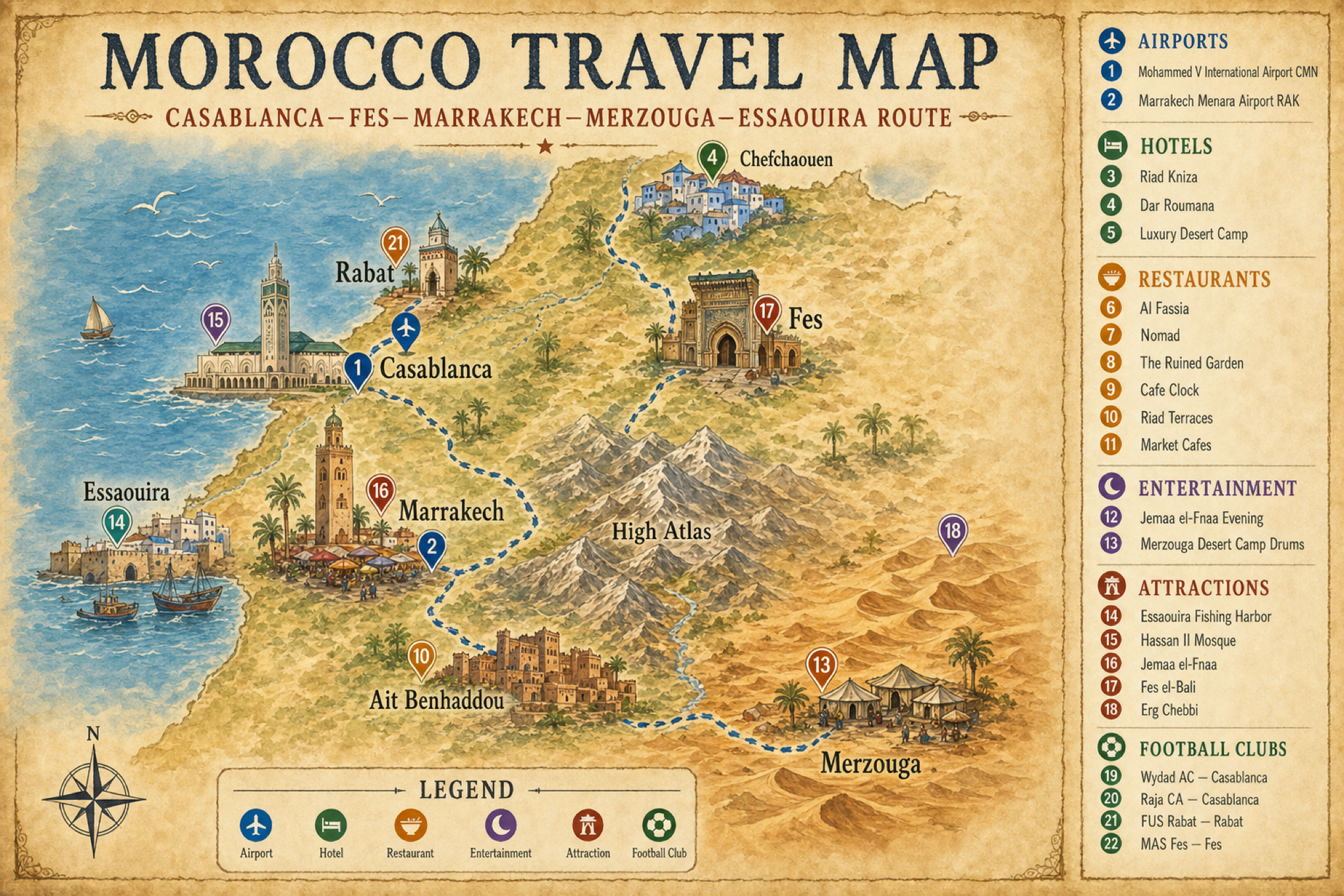
How Much to Budget per Person
Morocco trip budget
A quick cost frame for flights, hotels, food, transport and paid activities before you book. 8-day Morocco round trip, it is recommended to prepare approximately $1,200-$2,800 per person.
Dense routes from European departure points, most Asian/North American routes require transfers.
Large price differences between traditional courtyard hotels (riads), hotels, and desert camps.
Street snacks are inexpensive, tourist restaurants and riad dinners are more expensive.
Sahara tours, guides, and private cars are major expenses.
Trains are inexpensive, desert sections require private cars or group tours.
Travel rules, prices, transport schedules and safety conditions can change. Recheck official entry rules, local advisories and current prices before booking.
Flight Route Reference
Morocco itinerary sources
External route references used to check pacing, logistics and travel assumptions.
- Morocco Tourism Board — For verifying official attractions, cultural experiences, and Sahara desert camp information.
- ONCF — For checking timetables and fares on the main intercity rail line Casablanca-Marrakech-Fes-Rabat.
- CTM Morocco — For checking buses in Chefchaouen, desert areas, and regions not covered by rail.
- Acces Maroc — For verifying eVisa rules and entry logic for passports that are not visa-free.
- FRMF / CAF — For verifying information about the Morocco national team, the Atlas Lions, and official football context.
- Wydad AC / Raja CA official channels — For verifying information about the Casablanca Derby, club identity, and fan context.
Related route
Compare another World Cup travel route
Editorial notes
How this Morocco guide is maintained
Researched and edited by the Travel the Teams editorial team. This guide combines route-planning context, cultural background and the sources linked above; it is not a substitute for official entry, safety, health or transport advice.
Travel requirements and prices change. Confirm current information with the relevant official authorities and providers before booking.